Category Archives: Writing from the heart

Immersion

Immersion.  The word has both positive and negative definitions:

To be completely submerged in liquid.  To become totally consumed by an issue, object or person. Or, (there is something to be gained from Wikipedia) a type of therapy where one overcomes one’s fears through face-to-face confrontation.  Umm, not so much my favorite definition.  I also like to think of immersion as:  to be completely drowned in a strong emotional attachment such as love or hate.

Welcome to the hour after my morning bath where I immerse myself in the myriad life issues that exist for me at any particular moment.  The word immersion holds incredible power.  I am an immersive personality, and I dare to argue that this is very different from obsessive.  But you can decide for yourself.

I’m a late bloomer and always have been.  When I was 40, a friend looked at me (or was it my sister?  Hmmm.) and commented, “Are your breasts larger?”  First of all, how rude!  Second of all, is there someone (cute guy?) who needs to know?  And third of all, no I didn’t get transplants.  I just matured – very slowly.  Now, where was I going with this?

In the same kind of way, I’ve had some time over the years to late-bloom into what it means to be immersed in something.  There are only two things in which I have had life-time immersion:  love and creativity.

They say that when you meet your soul’s true love time stands still, and you are immersed in the profundity of the heart.  This has happened twice in my life.  (Eh? You’re asking. Twice true love?)  Yes, twice.  The first time was in those precious moments immediately after my baptism.

I was ten or eleven when, in the tradition of the Baptist church, I was wrapped in white from head to toe and immersed in a pool of (not warm, I might add) water.  I was trying to maintain my child’s faith in the grace of God and the dexterity of a man of the cloth.  Between God and preacher, I was promised that I would not drown.  I did not, and my faith—in both—was sustained.

“In the name of the father…” I held my breath as the water covered my head and I was brought up again.

“The Son…”  I held my breath again as I was dipped once more and brought up.  Why I did not struggle is a question I have to this day.

“And the Holy Ghost…”  Was I imagining or did I have to hold my breath longer that last time?

On rising from the third submersion I came from the chilly water feeling warm—and time stood still.  For days afterward, I felt immersed in what I could only desribe as God’s love for the world and everyone and everything in it.  I don’t know what I expected, but this is what I received.

I said there were two experiences when time stood still.  The second was when I stood before the meditation master whose teachings have, ever since, guided my life and spiritual practices.

Immersion.  These two experiences serve as my reference and compass.  To be consciously immersed in the truth and experience of daily life is my forever-after goal.  To my suprise and delight, one day I wrote a poem.  Some of the lines are:

My Beloved has appeared and even the Lord of Time must surrender. With such golden Light, who can resist Him?  He illumines the walkway of my heart, and fears fall away.

Trying to explain it is foolish, and, as some folks (oh yes, the folks) have been prone to point out, it can sound a little weird, but ahhh…I finally see where this might be going.  Words. I have my own blog where I can be consciously and fearlessly immersed in the experience of time standing still through words.

I’ll celebrate.  Happy Thanksgiving everybody.
Moon

She Has Seen Us

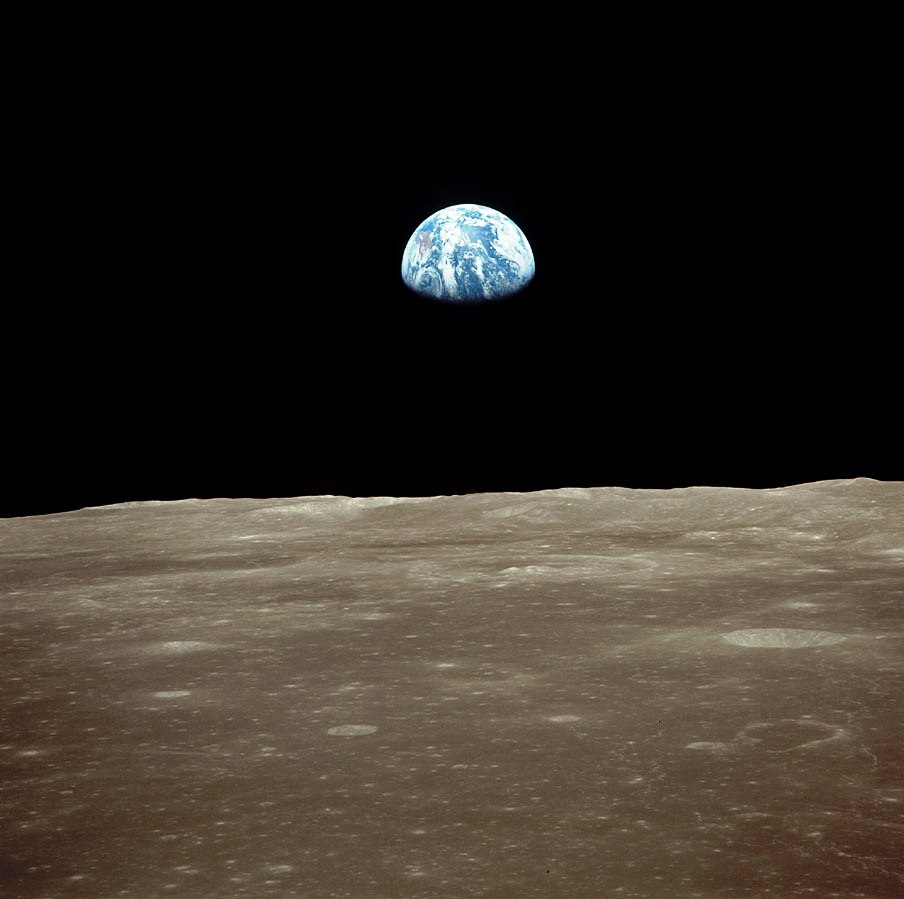
There is nothing new under the sun.  Or Moon.   I thought about this as I witnessed the moon in its glory—so large and full that I felt I could reach out and take a slice—on November 11, 2011—that auspicious date that was at the front of everyone’s consciousness.  That’s how close I felt to the moon that day.

If the moon could talk, She would stun us with a vast repository of human history and behavior.  She might laugh at our amazing ability to repeat the same mistakes over and over again.  Or she might pray for us with compassion.

The Moon might say to us “Lighten up. I saw that argument go down with the  Neanderthals.  All about territory.”

Or She might sigh and say “Oh, yeah.  Religious bigotry.”  She would cluck her tongue.  “Every time there’s a new prophet, people kill each other.  Such a sad repetition.”

Then the first child of the New Year is born and She would celebrate with laughter.  “Another baby!  Oh, there is hope yet for this old, old world below.  Perhaps this one will help smooth things out!”

Then a child dies.  “Oh,” She mourns.  “So many trillions of deaths.  Young and old.  Children and grown.  It doesn’t get any easier.”

“Ahhh.  Yet another war,”  and She might shake her head in wonder that we never figured it out.

I thought about these things as I watched the moon that day.  I thought about our current political landscape and the fear that rages within the hearts of people around the world.  But, I also thought about the love and the extraordinary kindness generated by so many.

“Look at that,” the Moon might say.  “She took those bags of food to her next door neighbor.”

“Oh, my.  That young girl collected all that money to build homes for the poor in another country!”

“Their 60th wedding anniversary!  Such committment.  Such love.”

We startle ourselves with news of the birth of the 7 billionth child, when so many billions have gone before.  Every note of music that’s ever been claimed by every composer who’s ever lived has been claimed before.   Every lover who’s ever made love was not the first to surrender to that warmth.

The thought that the Moon has witnessed it all, uncountable times before, gives me  solace.  We are not the first to struggle through difficult times.  We are not witnessing anything new.  There is nothing new under the Moon.  Or sun.

The question is:  What have we learned?

Thoughts on…Judgment

“Take it off.  Just take it off!”

I was about 20, walking the streets of Washington, D.C., feeling good, when an angry woman placed herself beside me and shouted those words in my face.  I was wearing a fall—an added pony tail—in my hair.  Women have been wearing them since the dawn of time…right? But for me it was the wrong time and place.  It was the 70s and we were moving heavy into a new phase with African-American hair — pride and all that.

Her anger was frightening, but what pierced more was her judgment.  She didn’t know anything about me.   Judgment is a word with extraordinary power.  When used amongst us ordinary folk, it is a poisonous, hard edged weapon.  As such, it is my view that judgment belongs only in courts of law.

I’ve thought about that woman off and on over the years.  In 2011, I see all forms of dark-brown girls and women sporting their blond, straight, pony-tailed and, otherwise colored and expensive, added hair.  She’s probably in her late 60s or early 70s by now — if she’s  alive.  Is she spending her time stopping folks and screaming at them still?  Or did she have children and change her perspective?  Perhaps her anger landed her in the justice system where judgment is ladled out like soup on a daily basis.  Perhaps—I am so frigging wicked—she herself is now a kinder, less judgmental blond.

“Judge not, less ye be judged.”  I’ve certainly done my share.

I was sitting in a restaurant-bar in Eugene, Oregon when a really good looking man began flirting with me.  I allowed myself to make some quick judgments:  “Hmm.  Good looking black man 30-something, single? Probably dates white…”

And that’s where things got interesting.  The universe picked up the thought and carried it to his brain.  I’m not kidding.  Anyway, at the word “white,” he blared out “There’s judgment in your eyes!” and put his beer on the bar.  I was speechless.  How did he get in my head?  Had I said something out loud?  Was there a ticker tape running the words across my irises?  I defended myself as best I could.  He explained.

“I can see it in your eyes.  You think you know me.”

So, he hadn’t really read my thoughts per se, but he had seen them.  The light of my interest had disappeared, and in its place…judgment; the eyes reveal it all.   Fortunately, we worked it out, finished our beers and became good friends.  But I learned something very important.  Even when our lips are smiling, if there’s judgment, it shows in the eyes.  I want to be judgment-free.

“I am a Christian,” she informed me.

This is why it was her duty to judge me harshly.  I had gone to school for a short time in West Virginia and during that time I was staying with her family.  I didn’t like looking into her eyes.   They were overflowing with judgment.  Everywhere I went, her judgment was beside me.  Her eyes revealed her distrust of blacks who did not talk like her (I was too “proper”); or dress like her; (I wore make-up and perfume); or pray like her. She spent a lot of time keeping her adopted children away from me, frightening them into following the word of God, lest they too smear their lips red.   I judged her very harshly back.  Now, I understand that hers was life commanded by fear.

I want to be judgment-free.

Some of life’s largest landmines of judgment lie in the fields of cultural expectations.  But we are not two-dimensional creatures.

I read a story about one of my s-heros, the late writer Zora Neale Hurston.  Hurston could easily set off a landmine by being herself and claiming her humanity.  In Alice Walker’s dedication to I Love Myself When I am Laughing… And Then Again When I am Looking Mean and Impressive, a Hurston reader she edited, Ms. Walker addresses the judgment around Hurston’s ability to righteously step outside of social expectations.   When Hurston’s play Color Struck won second prize in a literary contest, Hurston entered a party yelling  “COLOR…R. R  STRUCK..K. K!” with pride.  Two women that Ms. Walker knows told her they wouldn’t have liked Hurston had they known her.  Ms. Walker writes,  “Apparently it isn’t easy to like a person who is not humbled by second place.”

Some of life’s largest landmines of judgment lie in the fields of cultural expectations.  But we are not two-dimensional creatures.

Is it possible to be judgment-free?

If You Love It…

I could just imagine the conversation of any one of the young couples inside the upscale suburban restaurant as I slogged by the windows.  I was covered from head to toe in dirt and everything about me—coat, hat, bags—was askew.

She: (peering over her glass of Pinot Grigio).

“Honey, look at that woman. Should we call the police? She’s all covered in mud.”

He: (shaking his head in amazement.)

“No, Babe.  I don’t think so.  That’s not mud, Babe. It’s mud and dog shit!”

Yep.  He would be right.

I had stepped off the commuter train a few minutes before and was taking a shortcut through the parking lot when I stepped onto a grassy strip and fell.  My left leg splayed to the left; my right leg to the right.  I had braced myself with my right hand, only to feel my wrist sink-deep into—unbelievable—a pile of wet, slimy, dog shit.  It just got worse from there.

I had fallen in winter before; slipped on ice and broken my ankle.  So, I lay there for a moment allowing the freezing rain to pelt my face as I took long, deep breaths and began to cry.  Pulling my hand out of the dog shit and wiping it on my coat, I cursed the jackass who didn’t scoop.  And it was a big dog.  I wiggled around, so nothing was broken.

Now, for most people, a fall would just be a fall.  But, for me, having been blessed with a neurotic need to find meaning in every little thing, I looked for mystery; an answer from the universe.  And true to my experience, I got one.

I was suffering a dogged commute into the City of Brotherly Love and working for a rigid, mean-spirited manager who could suck the joy juice out of a dinosaur.   She derived her own happiness from—and I quote—“…dashing people’s dreams.”   But she’s not the story here.

Later that evening, over my own glass of wine, I asked myself how I had become so risk-averse when it came to following my dreams.  I had taken a “safe” job that in the end was devastatingly toxic.  I talked to a couple of friends.

“It’s not the time to change. Look at the economy.” Ouch.

“Adapt! You grow stronger by adapting.”

From cradle to paycheck, I’ve adapted to other people’s times, places, and priorities.

“Bloom where you are planted.”

God!!!  I frigging hate that phrase.  It was time to move on.

Many years ago, I had a chance to meet one of my heroes, the late, great jazz saxophonist Illinois Jacquet.  It was a lifetime moment.  There I was, face to face with the jazz master himself.  I told him I sang jazz and his eyes lit up. “Hey, Smith!” he said to his partner.  She’s a singer.”  My heart beat like Ellington’s band playing “Take the A-Train.”

“Where do you sing?”

I paused, shuffled my feet, and coyly said something about working to clear up debts right now, and fluffed it up with some stuff about overcoming fear of pursuing my dream.  With the word fear, the jazz master’s eyes glazed over, and he didn’t miss a beat (no pun intended).

“If you love something,” he asked softly,  “how can you fear it?”

He stared compassionately at me for a moment, wished me luck and turned away.  I recalled this conversation as I rinsed my muddy, shit-streaked boots in the bath tub.

Fast forward to the summer after my fall.  I was sitting in a park listening to a Brazilian band, and I had been singing along.

So danco samba, So danco samba, vai, vai, vai, vai, vai…

Then, as if on mental cue, the group began an original tune “Singing Takes Away the Blues.”  My feet tapped the ground, but my heart settled in my throat and tears filled my eyes.  I missed singing.  The question, however, was: how much risk (yeah, yeah… in this economy) at my age (sigh) was I willing to take?

On the way home, I thought about the past winter’s commute, my miserable manager, and—oh yeah—can’t forget the dog shit.

And, because I am the kind of person who has a neurotic need to look for meaning in everything, I took “Singing Takes Away the Blues” as a sign.

That evening, I sat at the computer and fired off an ad for a musician-collaborator.    ‘Cause,  I said to myself, if I love something, how can I fear it?

******************

A special shout out to  the spectacular group Mina for being my sign.  If you ever have a chance, go see and hear them! 

Peach

“Peach is a spring color.” 

The pronouncement, without doubt, came from a rather frumpy, round-faced saleswoman behind a cluttered counter.  I was tempted to ask her, like on Who Wants to Be a Millionaire?, “Final answer?”

I felt my shoulders tighten.  Peach is a warm color; a happy color; a soft color.  Any season , particularly fall and winter, could use the rouge of peach. 

She didn’t have a friendly look.  Rather, her eyes, openly combative and judgemental behind large black rimmed eyeglasses,  informed me that she was tired, had been on her feet for at least six hours that day, and was not in the mood for dumb questions.  Something about the way her eyebrows scrunched together disturbed me.

This was my eighth store.  I kid you not.  I had been searching almost all day for a peach colored sweater to wear in a photo the next day.  I was exhausted, hungry and had been circling sweaters in every store like a chicken hawk.

I LOVE peach: peach melba, peach pie, peach cobbler; then there’s peach body oil and bath soap.  But as it stood, any of those items would have been easier to find then a warm, soft peach sweater.

“Gosh, I really wanted peach,”  I began, and quickly dropped the rest of the sentence…something about those eyebrows.  I was holding a lemon-yellow blouse that was on sale.  I wanted it.  I loved it. 

“That’s a good price, under $10 dollars.”  She made an attempt at a smile.  Weird.

“Yellow,” she continued, looking at me as if I had no home training.  “It won’t be long before spring.” 

Right.  It’s the end of October.

I replied cheerfully, “When I wear it, it will be spring tomorrow!”

Silence.  A stare.  Awkward.  Something about  the eyebrows…

“There must be something peach colored.  A blouse, a top?” I asked with frustration.  “I’ve been to sooo many stores”

“Peach is a spring color.  We won’t have it until spring” 

Who makes these rules, anyway? 

I would have looked more normal to her if I had been spewing pomegranate seeds from my nose.  But, I, pity the fool, had forgotten the rules:  no whites after Labor Day and darker colors until spring.  I’m guessing it’s an eastern thing.  

Clutching my yellow blouse (victory!), I settled on a soft chartreuse jacket that would be warm and flattering for my photo the next day. 

I’m already planning next summer’s shopping spree when I’ll be buying every peach-colored item I see to alleviate future winter misery.  Ahh… It’s a challenge to live in the present moment. 

Delayed Gratification: God’s Delay is Not God’s Denial

Delayed Gratification.  The words sparkle with tension. 

I was eleven or twelve and wanted to wear stockings and makeup.  Absolutely not, I was told.  Pouting got me nowhere.  Mouthing off, while within my  constitutional right to free speech was, frankly, stupid. 

There was only one thing to do.  I had to plan for my thirteenth birthday and the lipstick that I would plaster across my wide mouth.

When I was sixteen, I had a list of things I would do once I was eighteen:  date who I wanted, go where I wanted, smoke cigarettes, and drink gin and tonics.  I would plaster my face with makeup, wear short-short skirts and become famous.

Now, the truth of the matter is that at sixteen I was not emotionally ready to do any of those things.  I was a rather young sixteen, and, frankly, dating would have gotten me nowhere except in awkward situations with boys who were even more awkward.  I wanted to do, in the immediate moment, what “all” the other girls were doing.  Today, as I think about the pregnant high school girls I knew, I am thankful that none of those changing voiced, raging hormonal fellows were lining up at my door.

Sociologists call it “impulse control.”   I was bred on delayed gratification.  I am intimately familiar with delayed gratification.  I know impulse control—sometimes to a fault—like I know my own breath.

Perhaps this is why I am more than a little frustrated with people who whine about the political process and want change overnight with no effort on their parts (vote in the last election; thoroughly study issues and history?).  It’s the same impulse that whines for the money, the new car, the jewels, or the lover immediately, without putting in any effort.  Perhaps, in either case, they are not ready.

I remember how long it took me to finally begin writing every day.  I remember how I chided myself because I wasn’t discovered (yeah, lightning in a bottle) and because I did not feel the need to jump through the many hoops and changes required to become famous.  I remember how I showed little understanding or compassion for myself as I tried to fit into my own skin and, at the same time,  figure out where I was trying to live the life of another.  The creative business is hard work.

I’ve spent many evenings looking up into the night sky, trying to hear stars  breathing because I did not have the inner muscle required to jump with both feet into the roaring fire of the creative business.  With the wisdom handed down from my parents and grandparents, I now see that I just wasn’t ready.  Through the miracle of what I will label Grace, I was protected until I was ready and able to accept the consequences of whatever it was I wanted to do.  

A popular actress once said to me, (when she saw my yearning for creative success in conflict with my fear to do the work) “God’s delay is not God’s denial.”  For the rest of my life I will send her blessings for her compassion.

Just like wearing make-up and high heels and perfume and nylons didn’t fit my psychologically  state as a sixteen year old, the business of show business and the world of a creative professional was the wrong fit once upon a time. 

There are those who will think my parents were too rigid, and on many other issues, they absolutely were.  But on the issue of waiting until the right time, I can tell you that they were wise.  I learned that time, inevitably, clears out the trash and shows you what you really want and who you really are.  And how to get what you want with self-destructing.

Patience, process and the right time.  Delayed Gratification sparkles.

“God’s delay is not God’s denial.”

Rejuvenation

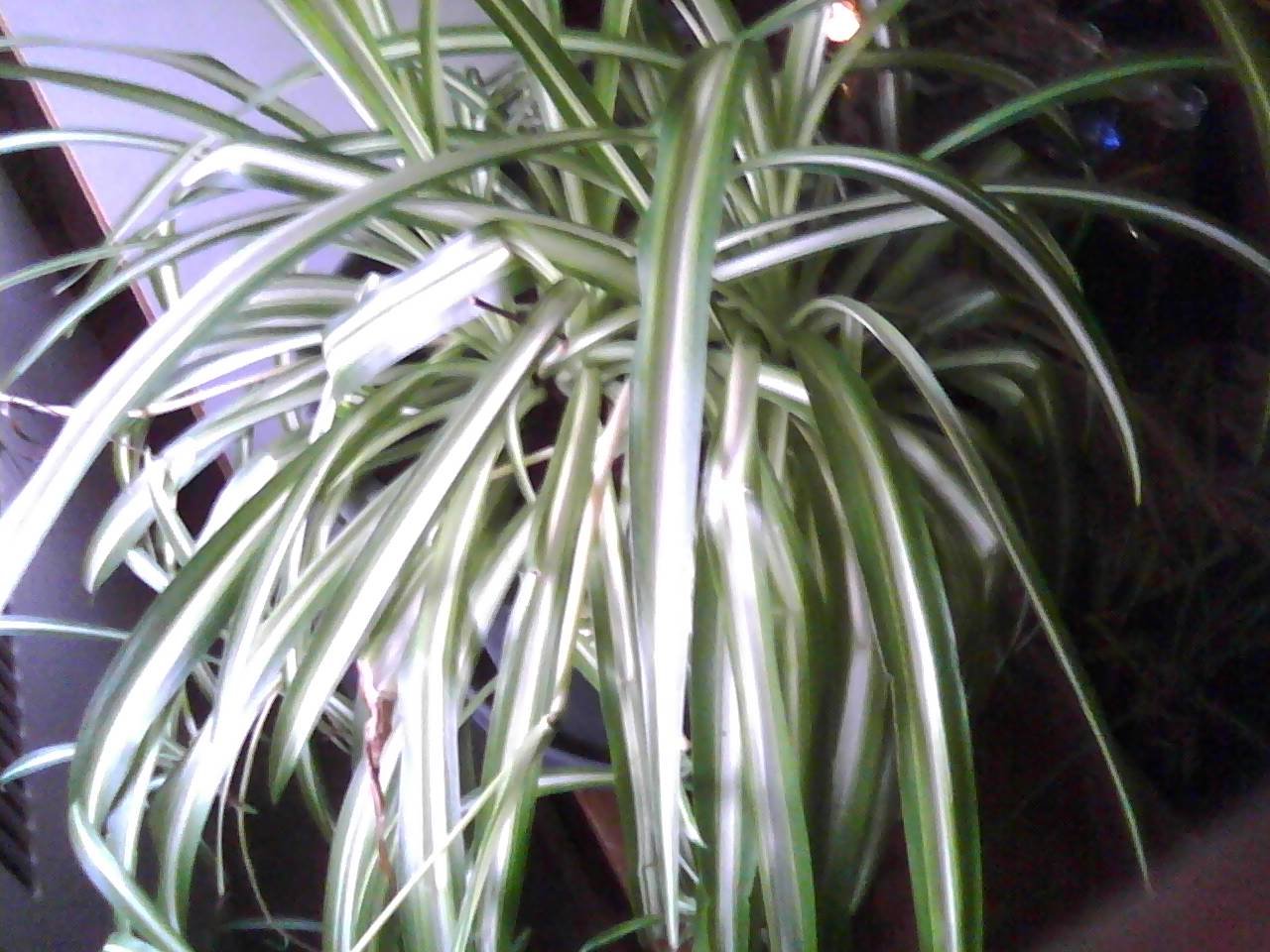
A spider plant and me–Rejuvenation

I’m listening to the geese outside.  They’ve gathered to sound the call,  “Winter’s coming.  Get warm.”   I look at my spider plant, and I am happy. We made it through several tough winters together. I am thinking about rejuvenation, a common theme in my life.

About a year and a half after I moved to Philadelphia, I bought the plant.  Caring for it has been a lesson in rejuvenation; a chance to see my own blossoming reflected in its growth.  One year it’s super healthy; the next, not so much.  I’ve experienced that, too.

The plant was delicate, about two inches high, and carried the promise of a lush future in my studio apartment with its southern and western exposures.  I was right off the park; there was lots of sun, a trail thick with trees below my window, and good neighbors.

On sunny days, the western exposure filled the room and my spirit with immense joy.  On rainy afternoons, the wet washed leaves, the creek below, and the clouds in the open, western sky gave me peace.  I was excited about so many things:  a new city and a new life, and it seemed that as my excitement grew, so did my spider plant.  I watered it weekly and fertilized it regularly.  I bought a larger pot and added more soil.  I even talked to it and played soothing music.  I bought a lovely shelf on which I placed the plant so that it would thrive in the western sun.

There were other plants in the window, but the spider plant was my favorite.  Through the spring and summer, it grew quickly, becoming a tall, full miracle with its slender green and white leaves and tiny spider shoots branching out one on top of the other.  I would look at that plant and feel happy.  It represented health, security and beauty.

Then, overnight it seemed, the trees in the park became orange, yellow, red, and rust; then bare.  Living off the park was a tremendous experience.   Listening to the wind in the naked branches, I understood what was meant by wind-song.   I watched as walkers’ clothing went from sweaters to jackets to down.   I am not a fan of winter, and I would walk along the park and secretly stick my tongue out at the wind.  But at night, its song in the trees was the lullabye that made sleep come easy.  I felt lucky.

With the same subtlety as the summer morphing into fall, the fall churned into winter.  And with even more subtlety, somewhere between the first chilly winds and the first snow, my spirits began to droop.  Winter would not–and could not–be my friend.  When I think about it, I believe that is when the spider plant began to die.

I remember complaining a lot during that time.  I complained about the frenetic pace of the east coast and the culture of the people (brusque).  I complained about the apparent lack of interest folks had in things outside of their own neighborhoods (provincial).  I complained about the work ethic and the fact that folks actually expected a person to barrel through two to three feet of snow with enthusiasm in order to sit in an office all day.  I complained because I missed my friends in California and because I missed the summer with its hot western light, open sky and red sunsets.

Week after week, more and more leaves would wither on the spider plant and drop to the floor, and frankly I don’t know when I woke up to the fact that I wasn’t caring for the plant.  But  I wasn’t caring for myself either.  By the next spring, there was nothing left to the plant but one frail leaf, dry dirt, and a large empty pot.  The plant looked like I felt:  malnourished.  There were several times, I could have thrown it away, but something inside me knew that I would be throwing away myself.  So…I decided to nurse it back to health, and in the process I replenished my own spirit.  Caring for something or someone else–anything or anyone else–performs miracles.

I bought two new pots, one for the plant and one for me. With new soil and new fertilizer I fed the plant.  With homemade soups and fish I fed myself and some friends.  I volunteered in the community.  I found an acupuncture practitioner.  I once again whispered to the plant as I watered it.  I took out my pen and journals.  I started writing again.

Spring morphed into summer as it always will do.  The plant began to flourish—five inches then seven inches tall.  I joined writer groups.  I went to theater  productions.  I began to come alive again.  So did my plant.  By the time I moved to my current place, the plant and I were happy.

I believe in the mystery of things.  I believe in the power of nature to heal.  People and their plants, like folks and their pets are interconnected. I believe that as the plant grew healthy, so did I.  Or was it the other way around?

Rejuvenation.

The P Word

I did not know that finding a new word each week would put me in such a state.

Really.  How hard can it be?

When the point is to stay away from an academic discourse about the meaning of a particular word by dropping into the heart and experiencing  the energy of it…sometimes it’s just easier to make blueberry pancakes  smothered in yogurt and maple syrup.  Or take a walk in the park or clean the  bathroom or call my sister or…

So many truly wise and knowledgeable people have chipped away at the reasons we put things off until later.  Growing up I listened to admonitions from Jiminy Cricket (he was funny) and my parents (not so funny) addressing the  issue.  I heard about the evils of putting off what needed to be done in Sunday School. And with the daily homework deadlines, you would think that I was well- versed in doing what was called for when it was called for.  So you would think.

I’ll approach this word through music.  The connection with music through my father was deep. He loved music and so do all of his children.  It was from him that I learned to branch out from the familiar to enjoy the unfamiliar.  I also learned to bask in the excitement of our own culture.  Sadly, it seems that, in my adult years, the closest moments I shared with him about music were from the west coast and not in person.  There were two.

On my first visit to San Francisco, I was in a club.  I love that  city.  Jazz seemed to be part of the water folks drank.  Miles Davis was the featured performer in this club, and it was midnight.  I had forgotten about time zones.  So, I called the east coast to share my excitement.  It was 3 am in Washington, D.C

“Daddy, listen. It’s Miles Davis!”  I held the phone up to the air.

Kindly, he paused and said something like “Really?  That’s really nice, sweetie.” We chatted for about three minutes and he asked  “What time is it there?”  He knew.  That’s when I remembered.  But he had shared my enthusiasm for hearing such a musician-God as Miles Davis live and in person, and, for that,  I was happy.

The second time we had a conversation, I was again on the west coast. I’d been singing with a jazz band and was excited about some casette recordings I’d made and wanted him to hear.  He was ill by then with a back problem that kept
him in bed.

“Don’t put it off,” he said. “Send it on.”

I put it off for about a week. And then I got a phone call. You  can guess the rest of  the story.

To this day, I believe that he knew he was leaving and was performing his last daddy duty by warning me about the P word and telling me on a subtle level that there are some things that will not wait: death being one of them.  It was a hard way to receive a lesson.

So.  I’ve eaten my pancakes and finished my post, and reminded myself  that everything is about words.  I begin anew.  Chip, chipping away.

Pickles


and eliminating fear-based language.

I wish that it was as easy to stop using words that scare as it is to stop eating fruit and vegetables soaked in brine.  Things could be so much easier.  But just as we’re addicted to gherkins, we’re also addicted to being afraid.  It’s about life’s little situations that leave us feeling very uncomfortable.  It’s about those moments that aren’t to anyone’s benefit because the negative chatter, adrenalin, and fight or flight response is so high.  As the kids say, “that’s awkward.” 

Financially, western countries around the world are in a pickle.  I’m no accountant, but I certainly know that a balanced budget has neither a surplus nor deficit.  Income must be equal with expense.  All this  chatter about “default,” and scaring people into thinking that only  cutting expenses will balance the budget is just that—fear-based chatter.  And it adds, metaphorically speaking, more brine to an already very sour situation.  Because the language used is used to generate fear.  Get folks scared enough and they’ll accept anything to ease their current discomfort.  If there’s one thing this blog is going to hammer away at, it’s about fear-based language.

And anyway, isn’t default a matter of trading an uncomfortable situation for a worse one?   When we were growing up there were times when we put cardboard in our shoes to cover the holes to keep out the water and dirt.  We didn’t live in the country; we were city kids.  But sidewalks can certainly eat away some shoes. 

This had the obvious result of creating fear that was passed along from the parents to the children.  To this day, an unbalanced budget will send any one of us siblings into a really briny attitude.  But imagine if our parents had decided to default on their debts.  We’d have had a lot more to worry about than worn out shoes, I can tell you.  They were reasonable people.  They not only paid their debts, but found ways to increase revenues while lowering expenses.  It was hard work.  There are no shortcuts.  Increase revenue.  Reduce expenses (wink, wink and a hint to the House:  you cannot balance a budget by cutting expenses only, you have to bring money in as well).

I’ve been working with nonprofits for a long, long time.  When an organization puts in a grant application, it must include a budget.  Generally speaking, the budget had better be balanced to show that the agency is able to execute its mission while being fiscally responsible.  In other words, they have to show that they bring money in as well as spend it.  Agencies that try to reduce expenses by eliminating jobs and benefits for employees are trading one discomfort for another and often don’t look that great to the people doling out the cash.  To balance a budget requires more than cuts (wink, wink and a hint to the House).

This year I’ve decided to give up pickles, both the briny kind and those manufactured situations that make life unbearable.  It’s because giving up both will make my life sweeter and more enjoyable. It’s something I must do (wink, wink and a hint to the House).  Stop the fear-mongering.  Increase revenue.  I know.  It’s awkward.    

Meringue

Meringue.  Not the merengue.  I have to get the spelling right.  One pads the hips while the other shapes them. 

Last week, I bought this meringue cookie thing for dessert, and as I patted my tummy and nibbled, I got to wondering about the word meringue,  the sweet qualities of the product itself,  and whether I could justify trying to make this word relevant to the experiences and lessons of day-to-day life.  Yes.  I can. Meringue, I am thinking, is like life. Creating a good life or good meringue requires attention and care.  Both are also abundantly sweet.  

This is precisely the kind of musing that gets me into trouble and sends me trotting off through a forest of memories to explore a question.  This is not always an easy trip, but it is always one hundred percent fascinating and revealing. 

I don’t remember how old I was when my mother taught me how to make lemon meringue pie.  What I remember is the magic of transformation as this shapeless liquid became a solid, sweet dessert.  Learning to beat egg whites with a hand held beater seemed like hard work.  As the egg whites got firmer, turning the handle got harder and keeping the bowl in place took more muscle.  But the resulting sweetness was worth every bit of effort.  Like relationships.

I can never eat just one meringue cookie, so I continued my rumination. 

I like the chameleon-like quality of meringue.  I acknowledge it in whatever form it happens to be — cookies, cakes, pie.  Hmm.  Can I learn to meet people where they are, not where I want them to be?  Flexibility adds sweetness to relationships, and I like a lot of sweetness around me.  Acceptance.  Meringue is light, a reminder that nothing in life is as heavy as I can make it seem.  Lightness of attitude is the way to go.

Sometimes unsweetened, beaten egg whites are folded into recipes that, while fluffy and tasty, offer me a more indrawn appreciation of life.  Savory pulls me into more serious contemplations like:  how do I learn to forgive a person?  Will I ever let go of judgment?  How long before I understand the nature of work?  These are all good, but not the contemplations that accompany my lemon meringue pie.

“The purpose of life is to enjoy every moment” said the fortune on the tea bag.  Okay.  Just one more meringue cookie.