Category Archives: Joy

My Seventy-Seventh Christmas

Christmas morning, my 77th, I sat on the side of the bed feeling weighed down by a peculiar sadness. I say peculiar because I couldn’t define it. It wasn’t loneliness. I’ve been alone many Christmases. It was something else that I couldn’t place.
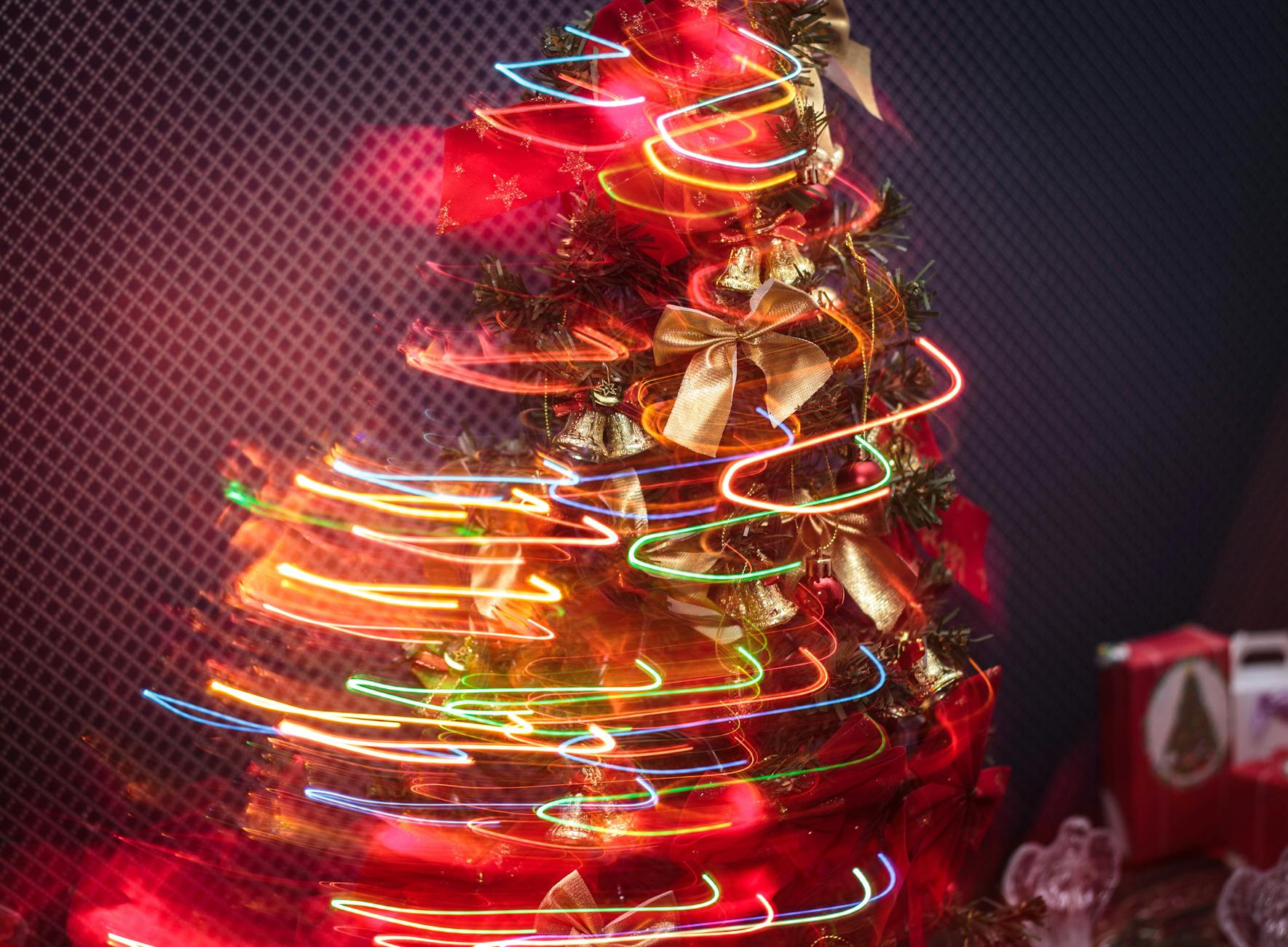
Photo by Mauru00edcio Mascaro on Pexels.com

I’d spent musical Christmases singing to nursing home patients, school children, and incarcerated men and women. Their presence was sweet and satisfying, like a good wine on the back of the tongue. I’d spent Christmas in an ashram in India, enthralled with the magic of the people and the heat. Christmas in temples, churches, and spiritual retreats left me swooning in the magic of sacred music. In each place, there was light in the faces of the people, a brightness. I dare say, a tenderness.

I sipped my coffee, chewed on a waffle, and considered this.

As a child, I received splendid gifts on Christmas morning: a toy nurse kit that included a stethoscope, a miniature microscope, a dollhouse, and paper dolls with cut-out paper clothes. My brothers received model airplanes and warships. It feels like I can still smell the glue. My sister received a full-sized doll as large as a three-year-old. Candy canes and oranges came in Grandaddy’s bulky packages of fruit, nuts, and other goodies. Eating the contents of those packages never gave me a bellyache, which meant I was well enough to ride my first two-wheel bike with my father walking beside me. The gifts made me happy; they gave me pleasure. But the love gave me joy.

Defining joy,Merriam-Webster says, “…a feeling of great happiness or pleasure: delight,” and Cambridge Dictionary says, “Great happiness or pleasure.” But pleasure is not joy.

There is considerable discussion about the distinction between happiness and joy. From what I gather, happiness is dependent upon external realities: the food we eat, the places we go, the people we are with, or the material things we gather. Joy is an internal state of well-being, contentment, maybe even gladness. Gratitude produces a state of joy.

On my 65th Christmas, my holidays changed forever after a diagnosis of Guillain-Barré Syndrome, which became a chronic relapsing condition that left me blindsided. Six months of hospitals and rehab, medications with strange names, and IVs three to four times a week left me sad and fearful. My friends became heroes. One gave me an artificial tree with lights. Others came by and brought small gifts. These things and the company brought me happiness. The love behind the gifts brought me joy.

I was baptised at ten years old. As my body was lowered into the pool of water, I could hear the church members singing Take me to the water to be Baptised. I was underwater for only a moment, but it felt like an eternity. As Reverend Cole lifted me out of the water, I experienced a tranquility, contentment, and open-heartedness that I will never forget. I was filled with Joy.

So where was that joy now? Maybe it was waking up to the realization that I would soon be 78. No!

I have figured it out. On the morning of my 77th Christmas, I was missing joy. I also realized that, for me, in the background of every joyful experience is the hum of creation in the form of music. Christmas carols, Gregorian chants, traditional African-American hymns, or Eastern-based chanting. Whenever, wherever there is music, joy wells up within me. It reminds me of a verse from a rendition of a spiritual I love.

Over my head, I hear music in the air. There must be a God somewhere.

Christmas is gone, and my life in this village is filled with snow and ice. There are clouds and empty tree branches. But there is sunshine. There is contentment. There is sweet music. And there is joy.

Joy Is Resistance

A pope died. A new pope was chosen. A very dear old lover passed away. Some of my favorite artists, whom I have enjoyed for many years, have transitioned to perform, write, and dance on a heavenly plane. I’ve never liked change. Perhaps, been afraid of it even. Ironically, one of my favorite songs is “Everything Must Change” by the late Benard Ighner. I’m considered an elder now, and I’m finding impermanence increasingly disquieting.

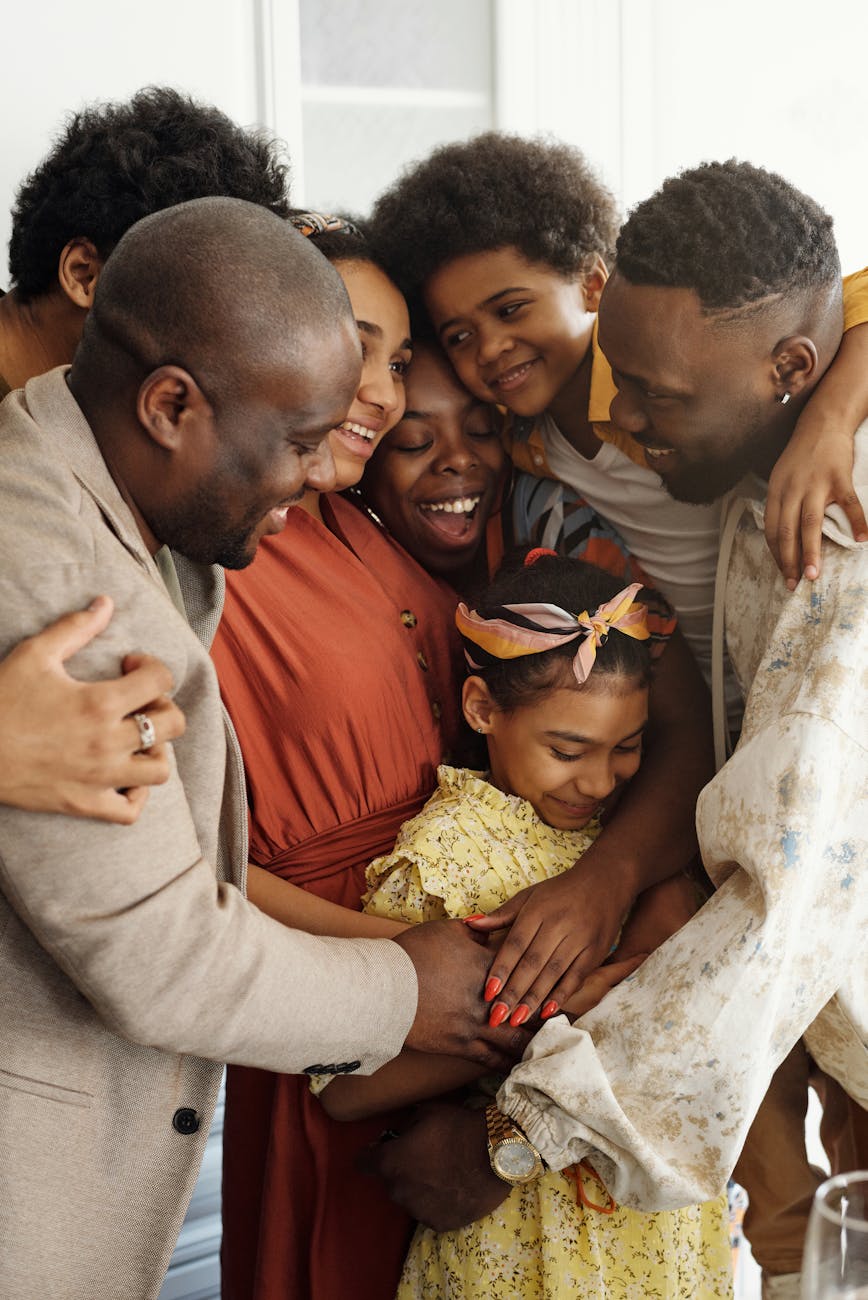
Photo by August de Richelieu on Pexels.com

Finding Joy in Disquiet

But it’s summer, and I’m indulging in its beauty. The seasonal drift from spring to raging heat offers me a sense of liberation from political nightmares and brings with it an obstinate optimism. As authoritarianism plants its ghastly footsteps in too many places across the planet, we are divided. Yet, we are also connected. We hold before us an eternal optimism that protects us like an ancient knight’s armor.  We have a battle cry: JOY IS RESISTANCE.

Growing up, I struggled with finding joy at home. At 11, I was weighed down by the constant fighting within my family and desperate for laughter. Most of the time joy felt as distant as an air balloon over the Atlantic. But then spring would arrive. Spring, with its sweet smells. Spring with its flowers and brilliant colors. The sky seemed bluer. The delicate green of spring grass was accented with purple crocuses and yellow tulips. The pussy willows along the streets assured me that everything would be just fine. Spring brought joy.

There were cocoons in trees lining the sidewalks where I walked home from school. Those white cottony things, almost transparent, had lumps inside that I didn’t understand would turn into butterflies. Boys, ever annoying little boys, threw rocks at them or batted them down with sticks. I usually ran beneath a tree to get away from those white lumps knocked loose because they landed on my neck or in my hair. But as spring wore on, the lumps inside became beautiful, magically colored things, liberating themselves from bondage. As I ease into elderhood, I reflect on this memory from my earlier years: the cocooning times.

Joy and An Abundance of Eggs

Eggs — The subject of economic dismay that’s led us into this year of low expectations and turning the American Dream into a nightmare for many.

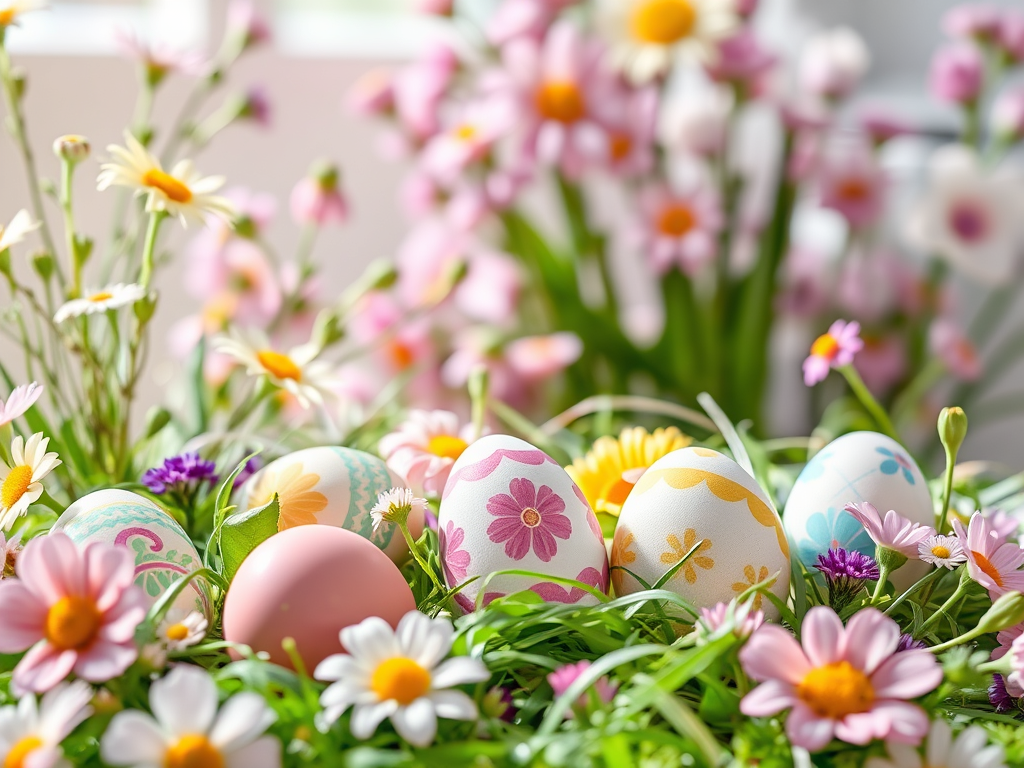
My father used to chastise me because, as he said about my mother and me, “Whenever I walk into this house, you two are going at each other!” This, even before I was 13. But the night before Easter Sunday, something magical happened. Joy fired up a powerful resistance to any family issues. All of us kids joined Mom as we gathered around dozens of eggs. There was a renewal, a resurrection, a rebirth, if you will, of the delight human beings are meant to experience.

We stayed up past eight o’clock, selecting stencils and food colors for our boiled eggs and filling Easter baskets for ourselves and cousins. Those nights were special. The evening routine of dinner, dishes, homework, and perhaps a harsh “I told you to finish your homework!” was abandoned for an experience of limitless childish joy. We did not whine — “but it’s still light out” — when we heard neighborhood children playing kickball in the streets.  What we cared about was decorating eggs. What we experienced was joy.

Obstinate Optimism as Resistance

The spirit of the times requires — demands — that we maintain joy in our resistance. We are living through overwhelming changes in politics and culture. Dreams for peaceful coexistence can only survive and manifest in optimism.

Children are dying from measles – a disease we had eliminated from our country. People are being kidnapped, placed in prisons and concentration camps, or starved mercilessly by authoritarian governments. There are dictatorships throughout this world, and we, in this country, are as politically divided as we’ve ever been — some say since the Civil War. “Divide and conquer” is as old as humanity itself, and we fight against this abomination.  And still, people are bursting with obstinate optimism.

We have been through tragedies before, and we have come through them to celebrate the return of the Light. Optimism, Joy as Resistance, is the best of the human spirit. Claiming our joy is necessary nourishment if we are to survive — and thrive.