A pope died. A new pope was chosen. A very dear old lover passed away. Some of my favorite artists, whom I have enjoyed for many years, have transitioned to perform, write, and dance on a heavenly plane. I’ve never liked change. Perhaps, been afraid of it even. Ironically, one of my favorite songs is “Everything Must Change” by the late Benard Ighner. I’m considered an elder now, and I’m finding impermanence increasingly disquieting.
But it’s summer, and I’m indulging in its beauty. The seasonal drift from spring to raging heat offers me a sense of liberation from political nightmares and brings with it an obstinate optimism. As authoritarianism plants its ghastly footsteps in too many places across the planet, we are divided. Yet, we are also connected. We hold before us an eternal optimism that protects us like an ancient knight’s armor. We have a battle cry: JOY IS RESISTANCE.
Growing up, I struggled with finding joy at home. At 11, I was weighed down by the constant fighting within my family and desperate for laughter. Most of the time joy felt as distant as an air balloon over the Atlantic. But then spring would arrive. Spring, with its sweet smells. Spring with its flowers and brilliant colors. The sky seemed bluer. The delicate green of spring grass was accented with purple crocuses and yellow tulips. The pussy willows along the streets assured me that everything would be just fine. Spring brought joy.
There were cocoons in trees lining the sidewalks where I walked home from school. Those white cottony things, almost transparent, had lumps inside that I didn’t understand would turn into butterflies. Boys, ever annoying little boys, threw rocks at them or batted them down with sticks. I usually ran beneath a tree to get away from those white lumps knocked loose because they landed on my neck or in my hair. But as spring wore on, the lumps inside became beautiful, magically colored things, liberating themselves from bondage. As I ease into elderhood, I reflect on this memory from my earlier years: the cocooning times.
Joy and An Abundance of Eggs
Eggs — The subject of economic dismay that’s led us into this year of low expectations and turning the American Dream into a nightmare for many.
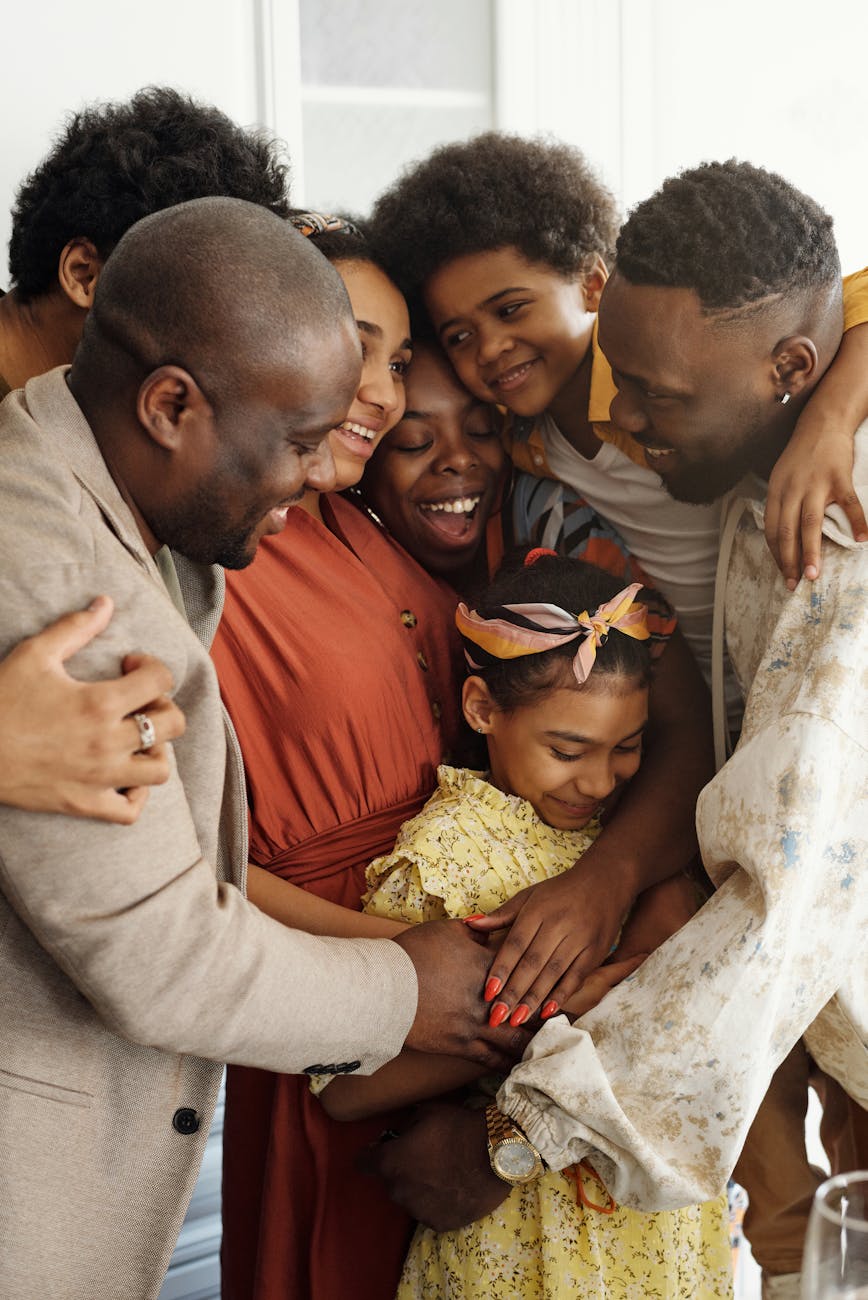
My father used to chastise me because, as he said about my mother and me, “Whenever I walk into this house, you two are going at each other!” This, even before I was 13. But the night before Easter Sunday, something magical happened. Joy fired up a powerful resistance to any family issues. All of us kids joined Mom as we gathered around dozens of eggs. There was a renewal, a resurrection, a rebirth, if you will, of the delight human beings are meant to experience.
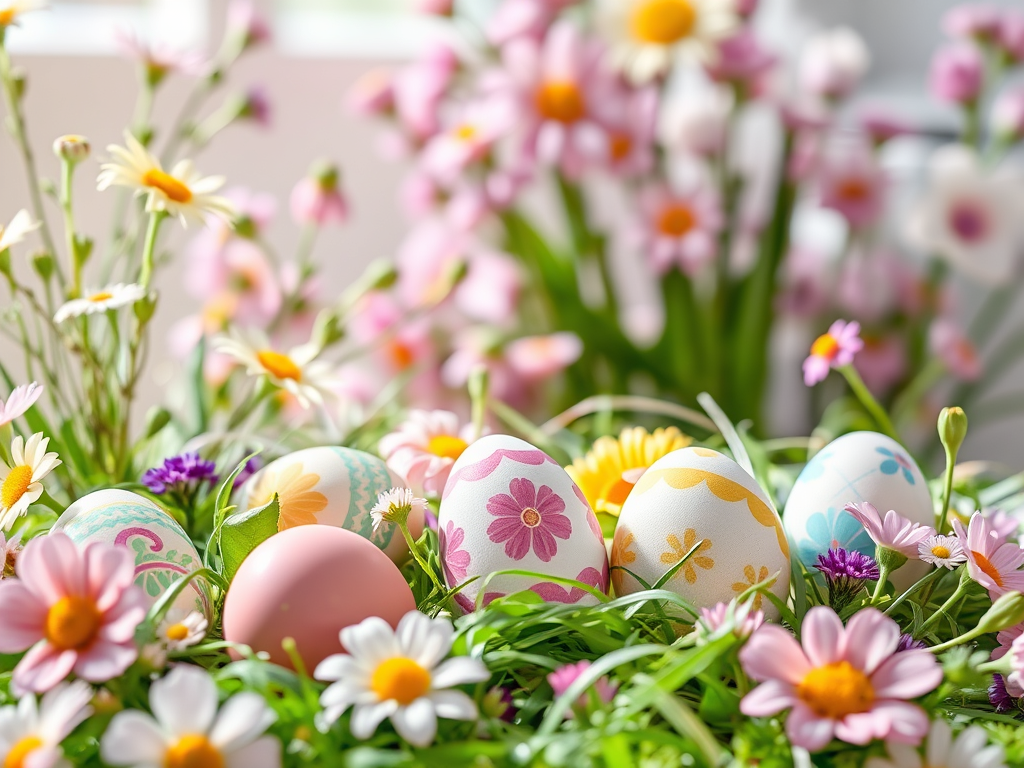
We stayed up past eight o’clock, selecting stencils and food colors for our boiled eggs and filling Easter baskets for ourselves and cousins. Those nights were special. The evening routine of dinner, dishes, homework, and perhaps a harsh “I told you to finish your homework!” was abandoned for an experience of limitless childish joy. We did not whine — “but it’s still light out” — when we heard neighborhood children playing kickball in the streets. What we cared about was decorating eggs. What we experienced was joy.
Obstinate Optimism as Resistance
The spirit of the times requires — demands — that we maintain joy in our resistance. We are living through overwhelming changes in politics and culture. Dreams for peaceful coexistence can only survive and manifest in optimism.
Children are dying from measles – a disease we had eliminated from our country. People are being kidnapped, placed in prisons and concentration camps, or starved mercilessly by authoritarian governments. There are dictatorships throughout this world, and we, in this country, are as politically divided as we’ve ever been — some say since the Civil War. “Divide and conquer” is as old as humanity itself, and we fight against this abomination. And still, people are bursting with obstinate optimism.
We have been through tragedies before, and we have come through them to celebrate the return of the Light. Optimism, Joy as Resistance, is the best of the human spirit. Claiming our joy is necessary nourishment if we are to survive — and thrive.
The brew is flavorful, and the hint of chocolate on the back of my tongue is a calming sensory experience for the many thoughts and feelings I have in this stream of consciousness.
After months of procrastination, I’m gaining clarity about this post. I’m not writing about food this time, although I’m sure that a large bag of chips will make its way to me as I write about kindness and ─ oddly enough ─ empaths, people who have a high sensitivity to stimuli, including other people’s emotions. I’m writing about being empathic ─ not empathetic.
While researching, I came across a definition about the difference between empathic and empathetic. In an article published by Stylist, an online magazine based in the UK, Lucy Fry writes the following:
Being an empath is developmental, whereas empathy can be learned.
Fry continues: Empaths easily lose themselves in feelings. For most people expressing empathy means making a concerted effort to see the world through someone else’s lens in a kind way. For an empath, however, it can get confusing. These types of people absorb others’ emotions so quickly and easily they’re sometimes unsure which lens is whose. The boundaries between the self and others can be thin, which means they are super sensitive to other people’s needs but can also entirely lose track of their own.
You’re too sensitive, Sala. Sigh. I’ve been told this numerous times.
You want to hear the heart in the voice. Alexa’s words landed like sparks in a dry field.
Yes.
Not too long ago, I was irritated by a conversation I was having. I felt that the person wouldn’t shut up until she had me submerged in the cesspool of anger she swims in all the time. All. The. Time.
I’m a human sponge. I soak up other people’s emotions like others suck up soda through a straw. When I’ve gone to the movies, I’ve found that I feel almost physically pulled into any violent action on the screen. I feel overwhelmed. So, I don’t go to the movies. I don’t read violent novels. I have an enduring crush on Stephen King and have slept with his book On Writing next to my pillow. But I have never seen, nor will I, a movie adaptation of his books. I was traumatized as a child by Hitchcock’s Psycho. I’ve never seen a Tarantino film, and I did not watch Game of Thrones ─ my sister advised me against it. Give me the Hallmark Channel, Notting Hill and Madea.
Don’t. Judge. Me.
According to Dr. Judith Orloff, a board certified psychiatrist and expert on the subject of Highly Sensitive Persons (HSPs): Empaths absorb other people’s emotions.
There it was: absorb. While others define themselves as extrovert or introvert, I’m defining myself as an empath. The Cleveland Clinic notes that you may also identify with being a highly sensitive person (HSP), a personality trait that was first used by psychologists in the 1990s to describe someone with a deep sensitivity to the physical, emotional, or social situations and information around them. https://health.clevelandclinic.org/highly-sensitive-person/
My parents, Bill and Libby, joined millions of American Blacks who moved to northern and western states during the Great Migration from the South. I will never know the depth of their disenchantment on discovering the same racial discrimination and limited economic opportunities in Washington, D.C. that they had left behind in South Carolina.
Exposed to Mom’s anger and disappointment at having had to leave her beloved career ─ teaching ─ to raise five children in poverty and her mood swings from having to witness my father’s humiliation and rage when private builders told him ─ a master brick mason ─ that “coloreds” weren’t being hired, I absorbed their every emotion. I cried a lot. When teachers sent us home from school the day President Kennedy was assassinated, I threw myself on my bed and sobbed. And despite my empathy for my family and our world, I became unkind and angry.
Mine or Yours?
A White neighbor called to vent about another devastating U.S. Supreme Court decision on Affirmative Action and the efforts to obstruct racial diversity in higher education. They’ve been busy taking rights away these days. She ranted, not taking a breath and not allowing me to speak. I listened. When she was done, she thanked me for allowing her to “get it off my chest.” I responded, “Good. You need to know that I did not take it onto mine.” Her silence was brief but obvious. She had been hoping I would join her anger.
“I lived through those days,” I said. “How can you possibly be angrier than someone who experienced those times?”
I felt the wind go out of her sails. I was honest. I was direct. I felt powerful. It’s not that I don’t get angry. It’s that I have experienced self-protection and learned ways to know if it’s my anger, not someone else’s.
Childhood Educators Are Saints
During my ─ if-only-they-could-be-forgotten ─ adolescent years, the vice principal of our junior high school took me under her wing. A tall woman with dark chocolate skin and closely clipped hair, she was a no-bullshit, take-no-prisoners administrator. She offered a wide, memorable smile that, behind her back, prompted cowardly kids to call her “King Kong.” Fiercely principled, Mrs. G. was a potent advocate for young people. If, however, one was foolish enough to challenge her authority, you did so at your peril. I didn’t know too many kids who were willing to face their parents for being suspended or, even worse, expelled.
My grades were poor. Incidents of colorism – discrimination based on color within the race ─ fed my anger, and I was filled with anxiety about American culture. Additionally, adolescents are markedly known for meanness, and one day I found myself in a fight with a light-skinned girl who looked Caucasian. She was not. A ring of girls surrounded us and chanted “Fight! Fight!” This, not surprisingly, led to a sit-down in the principal’s office. Mrs. G. put her arms around my shoulders. “Walk with me.” We walked the halls. She didn’t use the word “colorism” or demean other students for their behavior. She spoke kindly and told me I was smart, that I could do better. Something inside me softened, if only for a little while.
My Ways of Empathic Protection
Therapy and Psychotherapists
During my twenties, I was led to a compassionate therapist who taught me something: Anger and repressed fear were my defaults. If I couldn’t identify or own my feelings, I could not respond to life circumstances authentically.
Prayer
I found a spiritual path that focused on the love of God ─ not “fear” ─ as the unseen guidance. I could no longer sing “saved a wretch” in the hymn Amazing Grace. I sang “saved a soul.” Chanting became a daily practice, and service ─ volunteering, a lifelong practice for me ─ took on a golden hue. I was becoming softer, more vulnerable. When, after 30 years, I left California for the east coast, a friend told me gently that he had watched me transform over the years. “You’ve lost that explosive anger.” I was moved ─ my own feeling. I remember saying to someone during those years, “I like a lot of soft around me.” In the company of softness, I felt ─ and feel ─ good.
Food
Ahh, yes. I knew I’d come back to the plate. Beginning with family meals for the seven of us in our two-bedroom apartment and extended family gatherings to visits with my grandparents in the south and church picnics, food preparation and pure laughter became a major empathic lifeline. Hugs were plentiful. Empathy was strengthened. I learned that in cooking, sharing, and eating good food, life could be joyful. But it’s been a rocky ride here. Sometimes my empathic protection revealed itself in weight gain. The soft protection of bulge around the belly. Other times, my love of sharing food and company with people I love has been the empathic lifeline.
Nature
I call my apartment a tree house. Outside my windows, the leaves of the trees serve as curtains in the summer. The southwestern sun keeps my apartment warm in the winter. I am heralded with birdsong, and I hope the circling hawks don’t see the rabbits occasionally nibbling by the side of the building.
Okay.
Now that I’ve finished my coffee and reflections for the morning, I’m on my way to juice apples and pears in the safety and comfort of my kitchen, a comforting place where I always experience the “soft around me.”
“Let us break bread together on our knees.” I remember Mom’s soprano filling the apartment with melody.
The lyrics are branded on my heart, and I’m reminded of three principles spawned from eating with family and friends. Gratitude. Service. Healing.
Gratitude for having access to food no matter how humble. Service in preparing food to share with others. The Healing that comes with sharing prayers, laughter, and companionship.
When I allow myself to feel the sadness that can come from eating alone ─ a consequence of the pandemic lockdown and my being medically unvaccinated ─ I recognize that sharing a meal is fundamental to self-nurturing.
I don’t remember the exact holiday. Some 50 years ago, at Passover, Rosh Hashana, or a Friday evening Shabbat, I sat across from my Jewish hosts. I knew nothing about Judaism except for what they explained about Kosher meals. Nineteen years old, Black and, most definitely raised Baptist, I nevertheless felt an intimacy with my new friends. We had mutual history: slavery, oppression, and escape from bondage. I relaxed into the comfort of being welcomed and learning about a new culture. I felt…nurtured and accepted. But I also nurtured and accepted them when I agreed to share a meal ─ “break bread” ─ with people I barely knew.
Mull outlines the path taken to our fast food, take-out culture and how we’ve become a society where so many of us are accustomed to eating alone. Family dinners, it seems, have been relegated to the back burner of American life. At first, I was reactive, thinking, “Well! That’s not my experience.”
Reaction instead of response is always a misstep.
By the time I finished reading, I was responding to Mull’s analysis that “By all indications, Americans want to cook and eat together.” Agreed. I rarely feel bad when I’m sharing mealtimes with others.
I grew up in a family that bonded when eating together. Maybe it’s because each of us contributed to the preparation of a meal. A task might not be pleasant, but it contributed to the health and joy of the meal. Yes, I said it. Joy. There was nothing like Daddy rolling from his chair onto the floor to exaggeratedly crawl away from the Thanksgiving table because the meal was so good and filling. Of course, once on all fours, he became a horse. There were plenty of siblings and cousins around to take advantage of his back.
My father liked to fish, bringing home perch or shad or whatever unlucky vertebrate took hold of his line that day.Cleaning fish taught me a kind of focus in the kitchen. Mom was always nearby watching. If I grabbed them the wrong way, the scales would prick my fingers.
“No. Do it this way!”
And I would do it as she instructed. When the fish’s body was smooth enough to run my hand along both sides without getting caught on the scales, I was ready for the nasty part ─ gutting. Sometimes, there was roe, a delicacy that, to this day, I will not eat. Call it caviar if you want.
The grossest part was the beheading. Looking into the blank eyes of a lifeless creature was my personal science fiction movie. With vacant eyes staring, it seemed, at me, I looked the other way as I severed the head from the body. And there, my friends, is another delicacy I will not touch ─ fish heads in any dish whatsoever.
We did not fillet our fish. I remember only too vividly my mother reaching into a child’s throat to remove a spiky bone. She may at times have resented motherhood, but she would not let us die.
We blessed the food. We ate the food. The fried fish, accompanied by biscuits, collard greens, mashed potatoes and gravy was well worth the trauma of the cleaning. In those moments of blessing, intimacy filled the space. If Daddy was home, we’d have spirited discussions about what was going on in the world. Assassinations ─ Gandhi. Malcolm X. President Kennedy. Civil Rights. Daddy shared some important wisdom: “Don’t ever judge another man unless you’ve walked in his shoes.”To this day, I hear his voice in my head as I meet all kinds of folk.
The pandemic has caused many of us to reevaluate and reprioritize our values and forced folks to slow down and acknowledge ─ positively or negatively ─ the people and communities surrounding them. For me, ironically, the lockdown highlighted the absence of cooking for folks and sharing a meal. I delighted in self-examination and sharing my time with the food writings of Ruth Teichl, Verta Mae Grosvenor, Edna Lewis and the delightful food adventures of Peter Mayle. I truly loved the stillness and nature’s rejuvenation and protection of the animals. However, there was something missing. I know it takes time to plan, shop, and prepare meals. But there is a huge ripple of love in the heart when serving others ─ that love is serving myself.
I was in a large vegetarian kitchen of an ashram. There were maybe fifteen of us or more. We were engaged in various stages of preparing the meal for a holiday celebration. Some were kneading bread, others chopping fruit and vegetables; a huge caldron of soup was being stirred and tofu “turkey” artistically prepared. The enthusiasm in preparing a meal to serve so many people ─ literally a few hundred ─ filled the room with ─ you got it ─ Joy. It was joy that came with gratitude for the chance to serve and for the personal satisfaction that comes with feeding others.Nurturing for them, nurturing for me.
Shortly after moving to Philadelphia, I lived in a house with a woman who lived in filth. I didn’t know this at first. When I went to check out the house, it was immaculate, but by the third week, the truth had revealed itself with the dog poop in the front yard that was left to dry on flagstone plates. The flies and stench irritated the neighbors who told me that it had been an ongoing problem. The laundry basement reeked of a cat litter box. My housemate was either unwilling or unable to help with kitchen and bathroom duties on a regular basis. I had been duped.
In a phone call with a clergyman, I whined, “Is Philadelphia hell?” He was kind; he chuckled, and gave me practical advice. Meditation, prayer, and finding someplace to volunteer. This made me feel better, and I began volunteering at a grocery coop where my job was ─ wait for it ─ weighing cuts of cheese and slicing bread. I was not homeless. I was not hopeless. My search for a new home began.
I ate in my room with the door closed, and in the days that followed, I consulted a psychic who told me: “Your housemate has unhealed trauma. People who live in filth have unhealed trauma.” I could hear Daddy’s voice again.
“Don’t ever judge another man unless you’ve walked in his shoes.” Lordy. What a mess.
Shortly after that call, I found some compassion, ordered pizza, and we ate together. Tensions began to dissolve, and I found my own apartment.
“Breaking bread opens people up. If you get in the habit of this as a family, you can talk about anything.”
My friend Tina said this to me almost 20 years ago. She and her husband had an ironclad commitment ─ which they keep to this day ─ to family dinners. At that time, they had eaten with the children every single day for 15 years. And I want to say that her children have become the most grounded, healthy, loving adults I know. Healthy traditions give birth to healthy families. Healthy families spawn unity. Unity is what we need in these miraculous, challenging, and eventful times.
There was a time when original songs flew out of my mouth like candy from a broken pinata. Not so much anymore. I’ve projected that energy into my kitchen. I put the rhythms into my knives. I put the results on my hips.
Chop, chop, chop. Breathe.
The collard greens disintegrate under the blade. They become two-inch, then one, then quarter-inch strips. The strips are almost mashed as they reach the size of popcorn kernels.
What do I plan to do with these greens? Part of the mound will be put in a salad. I’m supposed to be eating more raw food. Part of them will be juiced or blended into a green smoothie with pineapple, banana, blueberries, and flaxseed. That smoothie is one of the best parts of my day. I’ll throw the remainder into a pot with spices so expertly added that no one on the planet would miss the ham hocks or turkey wings. That’s how good I am.
But no one except me will taste these collards. The last fifteen months of COVID restrictions and lockdowns put a harness on the joy of sharing food with my friends. Of all things, this lack of sharing has been a particular sadness for me. However, the isolation has been an easy and welcome ride. So much so that I’m going to continue to isolate even as restrictions are loosened.
I spent many years with an ashram, engaging in spiritual practices like silence, practices that left me feeling comfortable being alone. And I was alone during the lockdown. With no family in the area, without visits from friends, and unable to have neighbors drop-in, I had no one to whom I could feed the homemade sushi rolls and blueberry muffins.
So what did I do during this long, quiet time? I watched food shows on Netflix. I became the online ordering maven, increasing my share of sheets, shoes, and groceries. I read food memoirs. I saved a lot of money not having to put gas in my car because there was nowhere to go. I’ve been writing, working on a book, a meandering path but one that keeps me uplifted. I discovered Zoom.
And, last but not least, I’ve had time to think about all the things my younger me wanted. I had time to do this, right? She wanted to learn how to dance ballet. (To this day, I literally get goosebumps at the sight, feel, and smell of leotards and tights.)
She thought she wanted to marry and have (whoa, Nellie!!!) eight children.
That young girl thought she would live on a farm. Is there anything more magical than watching life springing from life over and over again?
As an empathic child, I struggled ─ too much ─ to repress my nature. Obstacles of poverty and racism pulled me away from the things I loved: music, poetry, dance. Making the world a better place.
The family holiday gatherings and church picnics, generous with the best of our gardens, farms, and cooking intelligence, only increased my feelings of love for humanity and allowed my empathy to surge. We sang. We fed each other.
Over the years, and all the things and worlds I’ve dabbled in, I’ve come to realize that cooking is a great love. This was never made more clear than during the past year and one half of my COVID safety lifestyle.
The farming thing? Well, I created that in a different form. I have an indoor hydroponic garden for herbs and small vegetables like cherry tomatoes.
I don’t feel alone.
If a camera had been placed on the cubicles above my microwave, it might have caught me dancing. It might have heard me singing a jazz tune by Sarah Vaughn or a folk song by Joni Mitchell. It certainly would have caught me shaking my behind to Sly and the Family Stone (outing my age) or old-fashioned rock ‘n’ roll while chopping those collards. It might have found me listening to hymns of Annapurna, the Hindu goddess of food. With tens of millions going without food, I am grateful to the bone for these greens.
Chop. Breathe. Shake my behind. Sing. Living a version of my younger self’s dreams.
It’s a snowy day in February 2021. I am complaining. January 2020 was the beginning of a year that I could never have imagined.
At the end of that month, I was sharing a home-baked, red velvet birthday cake with friends. I had just turned 72, and the celebration deserved one of my friend Bob’s elegant cakes.
“Oh my God!”
Vinny checked his cell phone and put his beverage down. The helicopter carrying Kobe Bryant, his daughter, and their friends, had fallen out of the sky. Bryant had been a beloved local personality, and it felt like the air was sucked out of the room. As we pivoted from celebration to sorrow, I could hardly believe that, once again, we were looking at the sudden death of a vibrant man known for his devoted support of young people, while some of the meanest, vilest politicians in our country seemed impervious to death.
Bryant’s death began a traumatizing year, one that would test the heartiest among us. A month later, as the stories about a new virus began to dominate the media, people hunched their shoulders and started wearing masks. My friends and I were asking, “How can we elect a new president?” because we were sure he’d caused the problem in the States. To answer this question, I participated in activities to get people out to vote.
I released my home health aide after she told me I was “overthinking” the virus, and fretted for a bit about all the tasks I would have to take on. Now alone, with no one visiting my home, I did what it made sense to do when humanity seems out of control: I turned to nature, to the trees in the forest across the road.
While the television droned in the background and I chopped celery and onions into cubes, maybe for a salad, or mashed potatoes, or perhaps, a lentil shepherd’s pie, I wondered out loud to the trees: Is it self-indulgent to write food stories?
Colorful bowls overflowing with fruit were testimony to the beauty of living in a global world: oranges from South Africa. Apples from New Zealand. Avocados from Mexico. Blueberries from Peru. And tomatoes…ahhh. Beautiful Canada.
I prayed that my anger would not affect the food. You see, I believe this to be the truth: whatever my mood, that energy goes directly from my mind and heart to my arms to my hands and into the food. I did not want to eat these negative vibrations.
Oh, the trees. My relationship with trees is mysterious. I watch them as if they are my children. From the first buds of spring to the death of their leaves when they are bombarded by sleet and buffeted by the wind, they are my constant companions. I “feel” them speak to me. Before you shake your head in pity, listen.
Several years ago, I lived next to a city park, which gave my second-floor apartment the feeling of being in a treehouse. Many years before that, I lived in an apartment along the Willamette River in Oregon. Trees surrounded the apartment. There have always been the trees.
One morning, during meditation in my “treehouse” apartment, I heard a message inside my heart.
“Don’t worry. We are your protection.”
I believed then, and I do now, that the spirit of the trees spoke to me.
The year rolled on, and on May 25, I watched as a reptile in human skin – sworn to protect the public – put his knee on a man’s neck and stared into the camera for eight minutes and 46 seconds. He did not remove his knee until George Floyd was dead.
The raindrops on the trees outside my window clung to the branches like tears. I cried too. In July I posted about police abuses. I did not write about food. Would we ever again find joy?
2020 dragged on. Christmas was, thankfully, quiet. No guests. No poultry or stuffing. No hand-crafted pie. New Year’s eve, without the college students across the way, was still. There was no disturbance of fireworks. More than 300,000 people had died from the virus. I thanked God that 2020 was over and that we had a new president.
January 1, 2021, I received a phone call. My 90-year-old uncle died that morning from COVID-19. I did not cook the New Year black eye peas called Hoppin’ John, I didn’t make collard greens laced with onions, garlic, and turkey wings. I did not bake cornbread. Instead, I contemplated his being the last in a generation of maternal elders, and what it meant to lose them.
On January 6, terrorists staged an insurrection against the United States. They breached the United States Capitol Building. They terrorized police officers, defecated and urinated in offices, stole items. They searched for legislators and the Vice-President with assassination intentions. These criminals wanted to disrupt the certification of legitimate election results and the peaceful transfer of presidential power. They failed.
I recognized a Truth. As we struggle to make it through these times – and we will struggle – we have to eat; we must find joy. Although for many of us, our food stories will not be found around the table, we will have joyful stories to share. Through the miracle of technology, folks are learning new recipes, discovering new winter soups, baking new breads. A friend is making homemade yogurt, canning and pickling, and sharing these experiments through video technology. We’ll continue to bake Cornish hens and roast chickens. And we’ll brunch Zoom with buddies over the weekend.
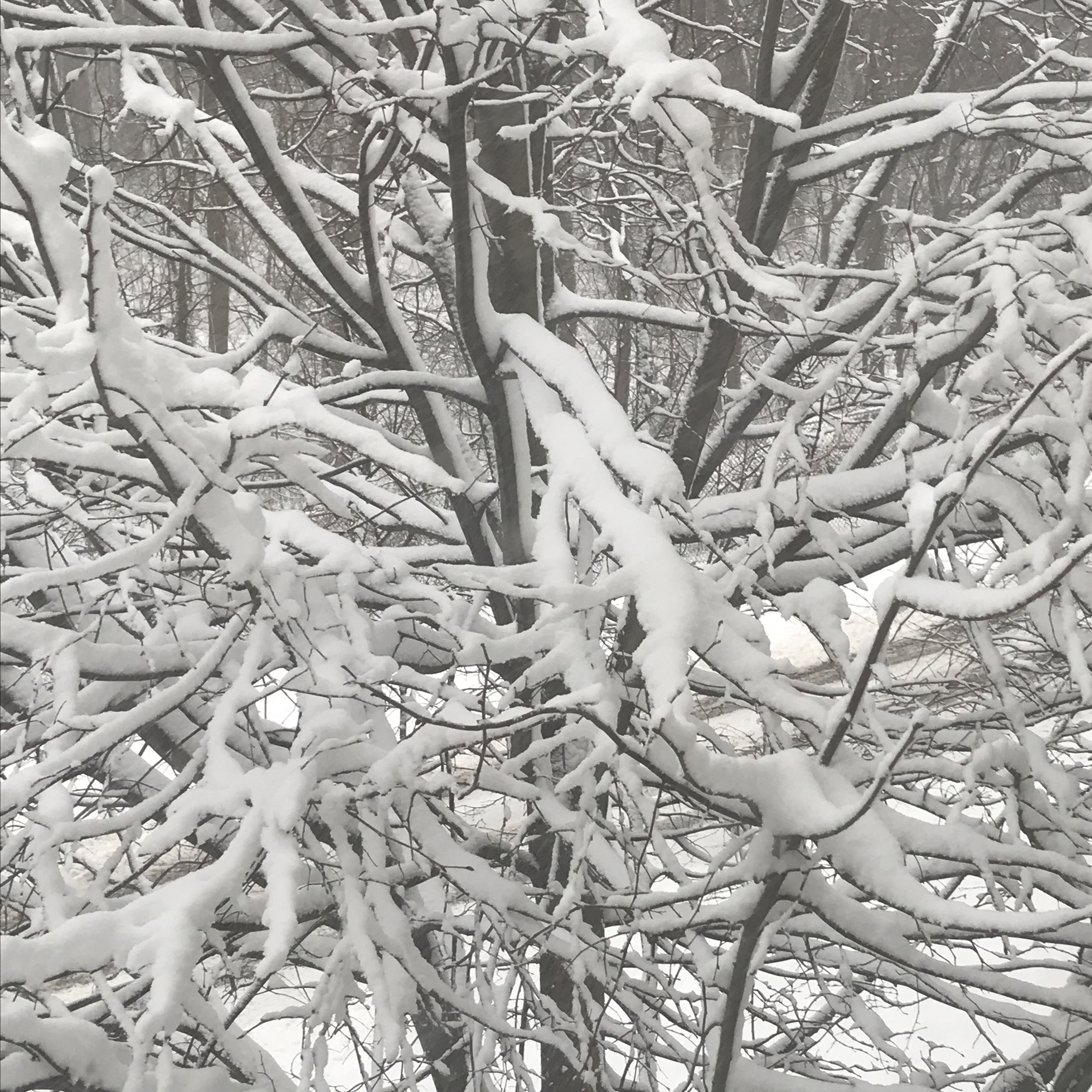
I looked out at my snow-covered trees with the answer. Food is what we need to live. Joy makes us resilient. Stories are what give us joy. It is not self-indulgent to write about food.
My writing has been lagging, my blog posts few. I just could not get back to the page. I’ve been weepy. Enraged. Demanding answers about our political controversies and wondering, “How did we get here?”
One afternoon, I was listening to Joan Baez sing “Brothers in Arms,” an antiwar song. I became distraught again as I remembered my days as a young political activist. How did we get here? The following is one of the recent experiences that has motivated me to write again─ with respect and an open heart.
The woman comes into the church social hall, dressed like she always does. She wears a dark brown coat pulled tightly around her. Is it wool? I’m not sure. She’s been wearing it since the early fall, and it matches the dark brown, unkempt wig she wears. The wig’s ends are stiff and push out from under the brown hat pulled over her head for warmth. She walks timidly as if she’s ashamed to be with us ─ all of us, volunteers and pantry guests alike. Some of us are both.
For more than a year I’ve volunteered at this church food pantry where some sort of alchemy takes place in the social hall. I’ve put my frustration about increased partisan politics aside as I help arrange the tables with vegetables, fruit, baked goods, meat and eggs, and I find myself smiling. Thanks to the generosity of local grocery vendors in our area, this particular food pantry is transformed into a glorious market. There are bouquets of flowers. Loaves of bread. Bread and Roses. When we are done arranging and sorting, the social hall looks amazing.
I watch the brown coat woman grab a cup of coffee. She almost never talks and sits with her eyes directed toward her coffee and snacks. She surprises me by asking, “Is there more sugar and cream?” Of course, there is. The minister makes sure there’s plenty of everything: coffee and tea, sometimes orange juice. A kitchen volunteer assembles platters of cake, cookies, and small fruit as a breakfast snack for the guests.
As I measure coffee and tea into food storage bags, I repeat a prayer for comfort to myself. Coffee, tea and the snacks help some of the guests start their day on a high note and, perhaps, will pull them out of the sadness of their situations.
It’s hard for me to stay angry about American politics in the presence of sacred work. I watch the minister who directs a steady gaze to the eyes of every person she speaks with. She comforts. I am moved by her dedication. To my knowledge, she has never closed the pantry for any reason. Twenty-four inches of snow? There will be food and the pantry will be open. She may be challenged but not daunted. Her mission is to comfort and serve.
There is magic in this community of humanity. Service is a healing balm and a saving grace. For three hours each week, the heartless politicians in Washington who have sought to undermine and destroy the tenets of the United States Constitution become background noise, the least of my worries.
Still, I wonder, “How did we get here?”
As the summer wanes and October brings chillier weather, gold leaves, and rain, I take refuge in the cascade of apples brought to the church. There are enough apples for 100 people to each fill a small bag if he or she wanted. And I feel something. The motivation to write again.
I feel something else, too. Love.
Wherever two or more of us are gathered in the sacred name, serving each other and receiving, I know we’ll be okay. The woman in the brown coat smiles into her cup. We will be okay.
The ache for home lives in all of us, the safe place where we can go as we are and not be questioned. Maya Angelou
The birds were soooooo loud that, had they been human, I would have complained. And yet, I’d been waiting all winter for their song. The sky, a soft pearly gray, was on the cusp of becoming dawn. I smiled. I had recently been reflecting on my life choices and wondered what my life would have been had I married, raised children and settled in one place that I could call home. I don’t think I was regretful exactly because, given my life experiences, I would make the same choices again. For the moment, with the birdsong, all was well.
I lay in bed reading My Kitchen Year: 136 Recipes That Saved My Life, a memoir by Ruth Reichl. She is one of my favorite food memoirists. Her heartwarming stories are insights into food as a vocation. Reading about the discovery, cooking, and sharing of food usually draws me into a joyful place. But this was not the case that morning. Instead, I placed the book on my chest and became reflective. What was I feeling? Yearning.
As the warm colors of the dawn sky filled my window, I wanted to get on with my day, to put those uneasy feelings out of my mind. Encouraged by Reichl’s sensual writing, I got up to fix breakfast. I knew exactly what I wanted: banana pancakes, homemade blueberry syrup, vegetarian sausage, and a boiled egg. Such a treat. I had been making kale smoothies for breakfast, and the sweetness of the bananas mixed with the blueberries was a delicious change!
The steady, rhythmic activity of making
blueberry syrup and pancake batter was meditative, giving me time to focus on what
I was feeling. Then, like a fog clearing, it came to me. I was feeling homesick.
I felt as if I had missed something very important in my life.
Homesick. The word repeated itself inside
like bubbles floating in the air. Where, I wondered, was home? I had left so
many places behind. Beautiful cities, emerald mountains, oceans. Where was that
place to which I could return for complete acceptance and safety?
After breakfast, I watched an episode of Chefs Table, a Netflix series that
documents the lives of chefs and their paths to culinary vocations. This
particular episode examined the life of Mashama Bailey, an African American
chef in Savannah, Georgia, and her return to home. The landscape of rivers, rural
farms and the relationship among southern cooking, culture, and home deepened
my sadness. I missed the summers of southern beauty that I shared so often with
my family. Growing up, I loved the food. I hated the racist, violent South.
Still, the gatherings at meals were safe, healthy moments. Then, as I watched
Chef Bailey’s story, I surprised myself: tears. Where was
that place that was, as Maya Angelou said, a “safe
place where we can go as we are and not be questioned”? Watching Chef Bailey’s story, I had tears,
but I did not have an answer.
During my initial crisis
with CIDP ─ chronic inflammatory demyelinating polyneuropathy ─ I was placed in
a skilled nursing facility (still working on that essay…). I could not raise
my arms nor use my hands. I could barely walk. One of the occupational
therapists said to me “You should accept this. All those complicated meals you cooked
in the past are probably over.” She was trying to be kind, even helpful, but she
had poked the bear. My rage shut down conversation in the room. “Don’t you ever
tell me what I won’t be able to do!” When she returned from the administrator’s
office, I was assigned a new occupational therapist who had no better
understanding of my condition or what my abilities might be than the first. I
moved to a different facility with therapists who had a broader understanding
of the importance of cooking. In doing so, I really began to understand something
that is an essential part of me: I feel safe and free when I am exploring the culinary world. Food
is major to my sense of feeling at home.
In the documentary, Chef Bailey poignantly made the connection between food and her relationship to home. Her heart was in Savannah where she’d spent so much of her early childhood. In later years, after failing as a social worker in New York, she went on to study the culinary arts with Anne Willan, founder of the prestigious École de Cuisine La Varenne in France and Gabrielle Hamilton at Prune in New York. With that experience and the memory of the warmth generated by food, culture, and community in her native Savannah, things eventually became clear. Returning to Savannah with its fresh seafood, local farms, and lush green marshes, she met her business partner, John Morisano.
Together they turned a formerly segregated Jim Crow era bus station into The Grey, one of Savannah’s premier restaurants. Chef Bailey’s business acumen and talent won her the prestigious James Beard Award. Her love for food and joy at being where she considers home is changing hearts, plate by plate.
I know what that warmth of being at home feels like, particularly in relationship to the South and the sumptuous summers I spent there. I embrace my Gullah heritage, and I am joyful when in harmony with my Southern traditions. I revere the farmland and farmers. But. The South is not my home; it was my parents’ home.
Later, I prepared a lunch
of roasted chicken, baked potato, a tossed salad, and roasted Brussels sprouts.
As I washed and sliced the sprouts, the physical connection to home grew
stronger and stronger. The warmth of the oven, the peace and serenity of music,
the afternoon spring light streaming through a window. There it was, that place
of safety where I could be all of who I am.
There was no one sharing those moments with me, and yet, in
that space in time, the yearning was gone. Cooking had brought me back to the
place that is my home. My heart.






 Sala
Sala

 wordshavecolor.com
Breaking Bread
“Let us break bread together on our knees.” I remember Mom’s soprano filling the apartment with melody.
The lyrics are branded on my heart, and I’m reminded of three principles spawned from eating with family and friends. Gratitude. Service. Healing.
Gratitude for having access to food no matter how humble. Service in preparing food to share with others. The Healing that comes with sharing prayers, laughter, and companionship.
When I allow myself to feel the sadness that can come from eating alone ─ a consequence of the pandemic lockdown and my being medically unvaccinated ─ I recognize that sharing a meal is fundamental to self-nurturing.
I don’t remember the exact holiday. Some 50 years ago, at Passover, Rosh Hashana, or a Friday evening Shabbat, I sat across from my Jewish hosts. I knew nothing about Judaism except for what they explained about Kosher meals. Nineteen years old, Black and, most definitely raised Baptist, I nevertheless felt an intimacy with my new friends. We had mutual history: slavery, oppression, and escape from bondage. I relaxed into the comfort of being welcomed and learning about a new culture. I felt…nurtured and accepted. But I also nurtured and accepted them when I agreed to share a meal ─ “break bread” ─ with people I barely knew.
Recently, I came upon an article in The Atlantic by Amanda Mull entitled “How America Lost Dinner.” (https://www.theatlantic.com/health/archive/2019/10/work-its-whats-for-dinner/599770/ )
Mull outlines the path taken to our fast food, take-out culture and how we’ve become a society where so many of us are accustomed to eating alone. Family dinners, it seems, have been relegated to the back burner of American life. At first, I was reactive, thinking, “Well! That’s not my experience.”
Reaction instead of response is always a misstep.
By the time I finished reading, I was responding to Mull’s analysis that “By all indications, Americans want to cook and eat together.” Agreed. I rarely feel bad when I’m sharing mealtimes with others.
I grew up in a family that bonded when eating together. Maybe it’s because each of us contributed to the preparation of a meal. A task might not be pleasant, but it contributed to the health and joy of the meal. Yes, I said it. Joy. There was nothing like Daddy rolling from his chair onto the floor to exaggeratedly crawl away from the Thanksgiving table because the meal was so good and filling. Of course, once on all fours, he became a horse. There were plenty of siblings and cousins around to take advantage of his back.
My father liked to fish, bringing home perch or shad or whatever unlucky vertebrate took hold of his line that day. Cleaning fish taught me a kind of focus in the kitchen. Mom was always nearby watching. If I grabbed them the wrong way, the scales would prick my fingers.
“No. Do it this way!”
And I would do it as she instructed. When the fish’s body was smooth enough to run my hand along both sides without getting caught on the scales, I was ready for the nasty part ─ gutting. Sometimes, there was roe, a delicacy that, to this day, I will not eat. Call it caviar if you want.
The grossest part was the beheading. Looking into the blank eyes of a lifeless creature was my personal science fiction movie. With vacant eyes staring, it seemed, at me, I looked the other way as I severed the head from the body. And there, my friends, is another delicacy I will not touch ─ fish heads in any dish whatsoever.
We did not fillet our fish. I remember only too vividly my mother reaching into a child’s throat to remove a spiky bone. She may at times have resented motherhood, but she would not let us die.
We blessed the food. We ate the food. The fried fish, accompanied by biscuits, collard greens, mashed potatoes and gravy was well worth the trauma of the cleaning. In those moments of blessing, intimacy filled the space. If Daddy was home, we’d have spirited discussions about what was going on in the world. Assassinations ─ Gandhi. Malcolm X. President Kennedy. Civil Rights. Daddy shared some important wisdom: “Don’t ever judge another man unless you’ve walked in his shoes.” To this day, I hear his voice in my head as I meet all kinds of folk.
The pandemic has caused many of us to reevaluate and reprioritize our values and forced folks to slow down and acknowledge ─ positively or negatively ─ the people and communities surrounding them. For me, ironically, the lockdown highlighted the absence of cooking for folks and sharing a meal. I delighted in self-examination and sharing my time with the food writings of Ruth Teichl, Verta Mae Grosvenor, Edna Lewis and the delightful food adventures of Peter Mayle. I truly loved the stillness and nature’s rejuvenation and protection of the animals. However, there was something missing. I know it takes time to plan, shop, and prepare meals. But there is a huge ripple of love in the heart when serving others ─ that love is serving myself.
I was in a large vegetarian kitchen of an ashram. There were maybe fifteen of us or more. We were engaged in various stages of preparing the meal for a holiday celebration. Some were kneading bread, others chopping fruit and vegetables; a huge caldron of soup was being stirred and tofu “turkey” artistically prepared. The enthusiasm in preparing a meal to serve so many people ─ literally a few hundred ─ filled the room with ─ you got it ─ Joy. It was joy that came with gratitude for the chance to serve and for the personal satisfaction that comes with feeding others. Nurturing for them, nurturing for me.
Shortly after moving to Philadelphia, I lived in a house with a woman who lived in filth. I didn’t know this at first. When I went to check out the house, it was immaculate, but by the third week, the truth had revealed itself with the dog poop in the front yard that was left to dry on flagstone plates. The flies and stench irritated the neighbors who told me that it had been an ongoing problem. The laundry basement reeked of a cat litter box. My housemate was either unwilling or unable to help with kitchen and bathroom duties on a regular basis. I had been duped.
In a phone call with a clergyman, I whined, “Is Philadelphia hell?” He was kind; he chuckled, and gave me practical advice. Meditation, prayer, and finding someplace to volunteer. This made me feel better, and I began volunteering at a grocery coop where my job was ─ wait for it ─ weighing cuts of cheese and slicing bread. I was not homeless. I was not hopeless. My search for a new home began.
I ate in my room with the door closed, and in the days that followed, I consulted a psychic who told me: “Your housemate has unhealed trauma. People who live in filth have unhealed trauma.” I could hear Daddy’s voice again.
“Don’t ever judge another man unless you’ve walked in his shoes.” Lordy. What a mess.
Shortly after that call, I found some compassion, ordered pizza, and we ate together. Tensions began to dissolve, and I found my own apartment.
“Breaking bread opens people up. If you get in the habit of this as a family, you can talk about anything.”
My friend Tina said this to me almost 20 years ago. She and her husband had an ironclad commitment ─ which they keep to this day ─ to family dinners. At that time, they had eaten with the children every single day for 15 years. And I want to say that her children have become the most grounded, healthy, loving adults I know. Healthy traditions give birth to healthy families. Healthy families spawn unity. Unity is what we need in these miraculous, challenging, and eventful times.
4 Comments
Posted in Commentary, Essay, Family memories, Food, Gratitude, Heart and Mind, Memoir, Reflection, service, Stories about life, Values
Tagged essay, Family memories, food, Gratitude, memoir, Reflections, service, Stories about life, values and spirituality