Tag Archives: Heart and Mind

Young Folks, You Are Doing Just Fine

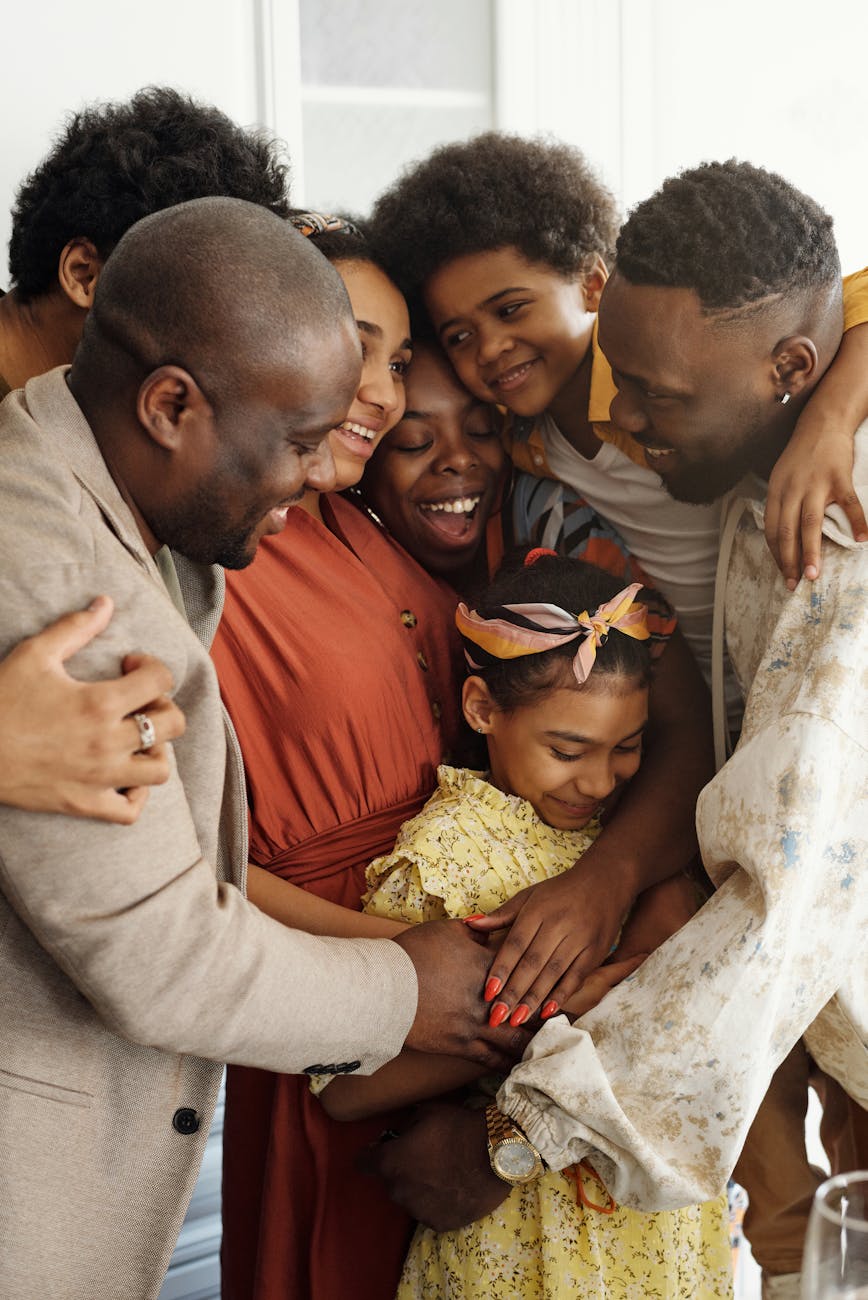
Photo by RDNE Stock project on Pexels.com

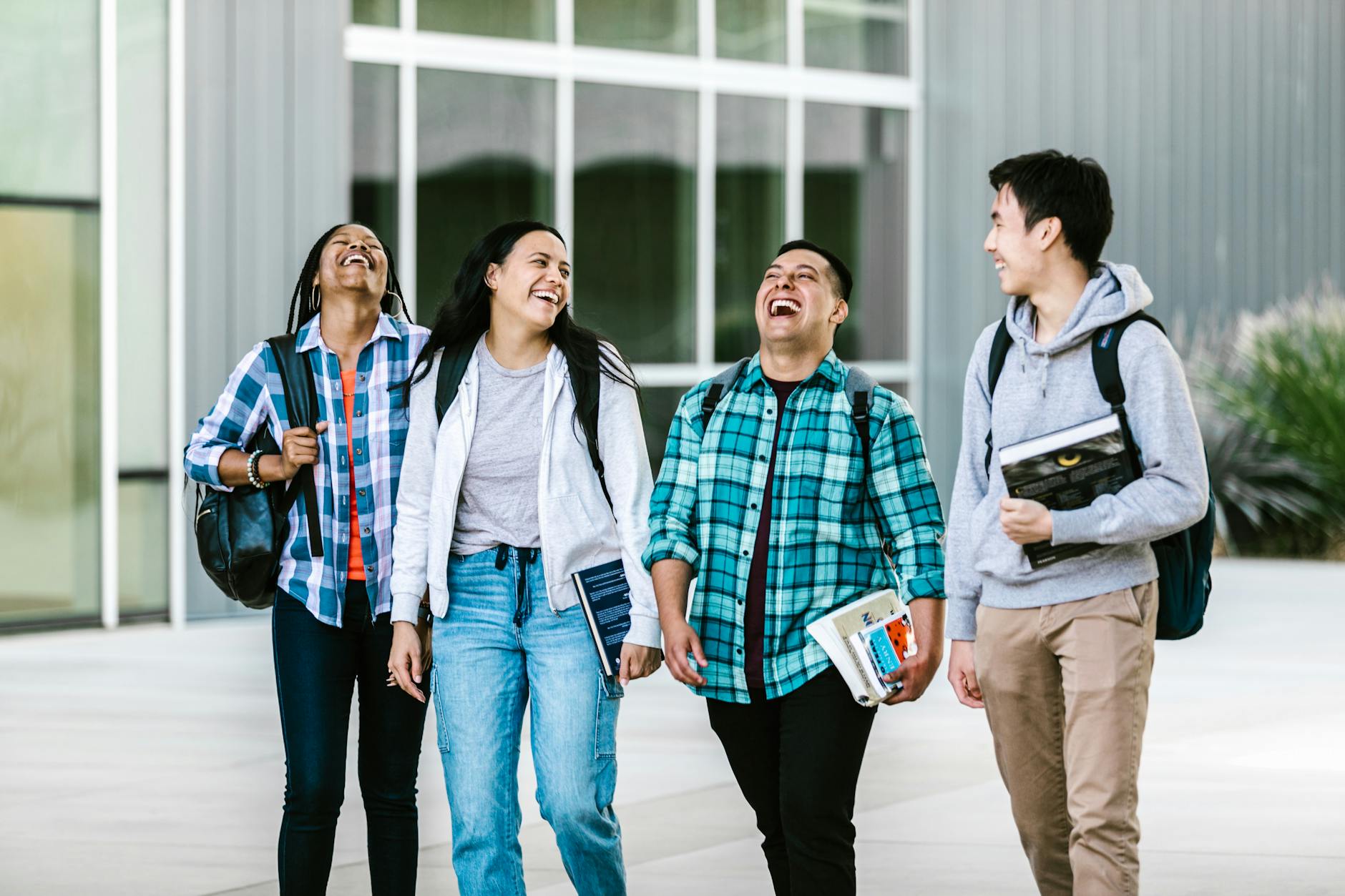
Yesterday I visited one of the colleges in the Philadelphia area. Most campuses are open to the public, and it seemed like a perfect Fall morning to find a bench and catch up on a knitting project. As I entered the parking lot, I slowed. The lot was nearly full. Wait, what?

It was move-in day.

Across the grounds, students and parents stood in lines of 20 or 30, anxious for introductions to people they were meeting for the first time. Boxes and furniture were hauled from cars and trucks and moved into dorms. Faculty members trotted in and out of buildings. Parents gingerly backed their vehicles into and out of parking spaces. “What an exciting day for them,” I thought. But not for me.

I spotted a space and rushed for it, pulled in. There were no signs forbidding parking. I bit my lip and sat for a moment, feeling a little guilty when a father, lugging a set of plastic containers, gave me an irritated glance. Heck.

I grabbed my knitting bag, exited the car, and walked towards an open bench just past the driveway. Whoa! Directly across from the bench was a line of animated students waiting for their campus welcome and tour. I stared, then turned back toward the car.

I was disappointed, but the truth is I was visiting their home. It was as if I had arrived uninvited to a generous feast of sweet treats, pizzas, and flowers. Resignation and courtesy were my only options.

I looked around again. The campus was renovated over the summer, and the bench I had always used was no longer there. However, about 75 feet away, there were two benches just across from the track. A couple of students (kids to me) occupied one of them. Lines? Nope. I use a cane and don’t like walking across grass, and I could feel a whine coming on. As I plopped down, a little tired from my trek, on the bench next to the students, they paused their conversation and greeted me.

I’ve begun a new morning habit of setting an intention for the day. My intention this morning was to listen. To birds. To cars. To the wind. So, that is what I did; I listened and learned that the young man and woman were seniors, excited about being on campus and catching up on summer news.

She: “Peter and Maggie had a baby.”

He: “What?! Wow! Did they finally get married?”

She: “Yup. Isn’t that a trip?”

Feigning attention to my needles to stretch out the time, I pulled threads, making six short rows into one.

She: “It’s so good to see you!”

He: “Can you believe it’s our last year?”

She: “No! (Pause) It’s going to go by too fast.”

My heart fluttered. Memories of my own college years — that went by too fast — surfaced. I never made friends like these two. I was often alone, the chronic introvert. After a semester, I left school and joined a theater company. The theater was where I met my buddies. The theater was where I belonged.  In the theater, we were bold, young, and unafraid. I imagined these seniors to be the same.

He: “I can’t wait to see everybody again.”

She: “Do you think Maggie will bring her baby?”

I listened. Here’s the thing: I will never see my first theater mates again. Almost all of them have passed away. Drugs. Cancer. Old age.

The sun was now fully on my face, and perspiration dripped into the corners of my eyes.

“It’s been so lovely listening to you guys,” I said. “But the sun is roasting me.”

I stood as they laughed and waved. I looked back toward the bench I had started for initially. It was empty, and there were no lines. I headed for it, looking forward to being in the shade of that marvelously large tree.

Opposite that bench was another where three young women sat. (There are lots of benches on this campus.) Once again, I listened. They were juniors or sophomores, cheerleaders, practicing old and new chants for the year. As I approached, a young woman with glorious dreadlocks looked up and greeted me. She wasn’t just being polite. Her smile held her heart.

A helicopter flew overhead.

“I’ve never seen a pink helicopter!” I said.

“It was yellow, I think,” she smiled.

I smiled back.

Thinking about it now, I feel teary-eyed. Any one of the students I met would have offered me and my cane a seat on the bus. Kindness and respect. After about 30 minutes, I put my knitting away. The young women were leaving to meet their friends. The young man I had seen earlier was passing by and gave a wave, a big smile, and a nod of his head to this grey-haired knitter.

As he made his way to some event or other, the thought came to me: I don’t need to worry about our future. Young Folks, you are doing just fine.

Joy Is Resistance

A pope died. A new pope was chosen. A very dear old lover passed away. Some of my favorite artists, whom I have enjoyed for many years, have transitioned to perform, write, and dance on a heavenly plane. I’ve never liked change. Perhaps, been afraid of it even. Ironically, one of my favorite songs is “Everything Must Change” by the late Benard Ighner. I’m considered an elder now, and I’m finding impermanence increasingly disquieting.

Photo by August de Richelieu on Pexels.com

Finding Joy in Disquiet

But it’s summer, and I’m indulging in its beauty. The seasonal drift from spring to raging heat offers me a sense of liberation from political nightmares and brings with it an obstinate optimism. As authoritarianism plants its ghastly footsteps in too many places across the planet, we are divided. Yet, we are also connected. We hold before us an eternal optimism that protects us like an ancient knight’s armor.  We have a battle cry: JOY IS RESISTANCE.

Growing up, I struggled with finding joy at home. At 11, I was weighed down by the constant fighting within my family and desperate for laughter. Most of the time joy felt as distant as an air balloon over the Atlantic. But then spring would arrive. Spring, with its sweet smells. Spring with its flowers and brilliant colors. The sky seemed bluer. The delicate green of spring grass was accented with purple crocuses and yellow tulips. The pussy willows along the streets assured me that everything would be just fine. Spring brought joy.

There were cocoons in trees lining the sidewalks where I walked home from school. Those white cottony things, almost transparent, had lumps inside that I didn’t understand would turn into butterflies. Boys, ever annoying little boys, threw rocks at them or batted them down with sticks. I usually ran beneath a tree to get away from those white lumps knocked loose because they landed on my neck or in my hair. But as spring wore on, the lumps inside became beautiful, magically colored things, liberating themselves from bondage. As I ease into elderhood, I reflect on this memory from my earlier years: the cocooning times.

Joy and An Abundance of Eggs

Eggs — The subject of economic dismay that’s led us into this year of low expectations and turning the American Dream into a nightmare for many.

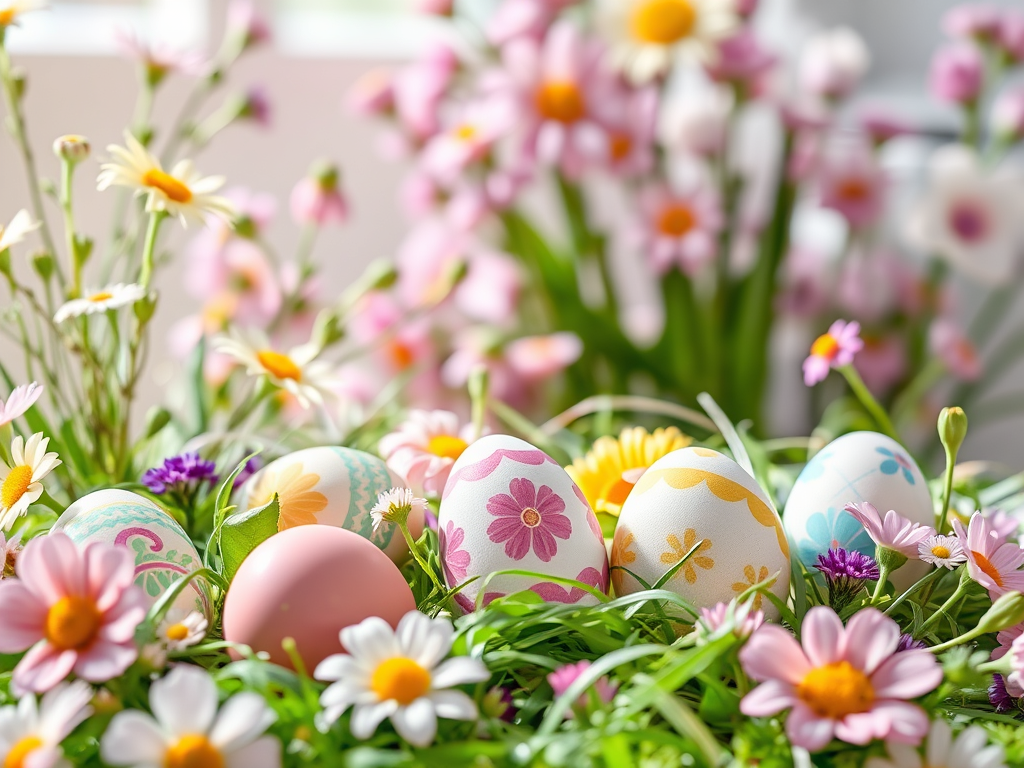
My father used to chastise me because, as he said about my mother and me, “Whenever I walk into this house, you two are going at each other!” This, even before I was 13. But the night before Easter Sunday, something magical happened. Joy fired up a powerful resistance to any family issues. All of us kids joined Mom as we gathered around dozens of eggs. There was a renewal, a resurrection, a rebirth, if you will, of the delight human beings are meant to experience.

We stayed up past eight o’clock, selecting stencils and food colors for our boiled eggs and filling Easter baskets for ourselves and cousins. Those nights were special. The evening routine of dinner, dishes, homework, and perhaps a harsh “I told you to finish your homework!” was abandoned for an experience of limitless childish joy. We did not whine — “but it’s still light out” — when we heard neighborhood children playing kickball in the streets.  What we cared about was decorating eggs. What we experienced was joy.

Obstinate Optimism as Resistance

The spirit of the times requires — demands — that we maintain joy in our resistance. We are living through overwhelming changes in politics and culture. Dreams for peaceful coexistence can only survive and manifest in optimism.

Children are dying from measles – a disease we had eliminated from our country. People are being kidnapped, placed in prisons and concentration camps, or starved mercilessly by authoritarian governments. There are dictatorships throughout this world, and we, in this country, are as politically divided as we’ve ever been — some say since the Civil War. “Divide and conquer” is as old as humanity itself, and we fight against this abomination.  And still, people are bursting with obstinate optimism.

We have been through tragedies before, and we have come through them to celebrate the return of the Light. Optimism, Joy as Resistance, is the best of the human spirit. Claiming our joy is necessary nourishment if we are to survive — and thrive.

Beauty


Punxsutawney Phil predicted an early spring. I’ve never trusted Phil. That darn groundhog’s got a 30% accuracy record. Yet, this time, bingo! The weather was comfortable as we slipped into March.


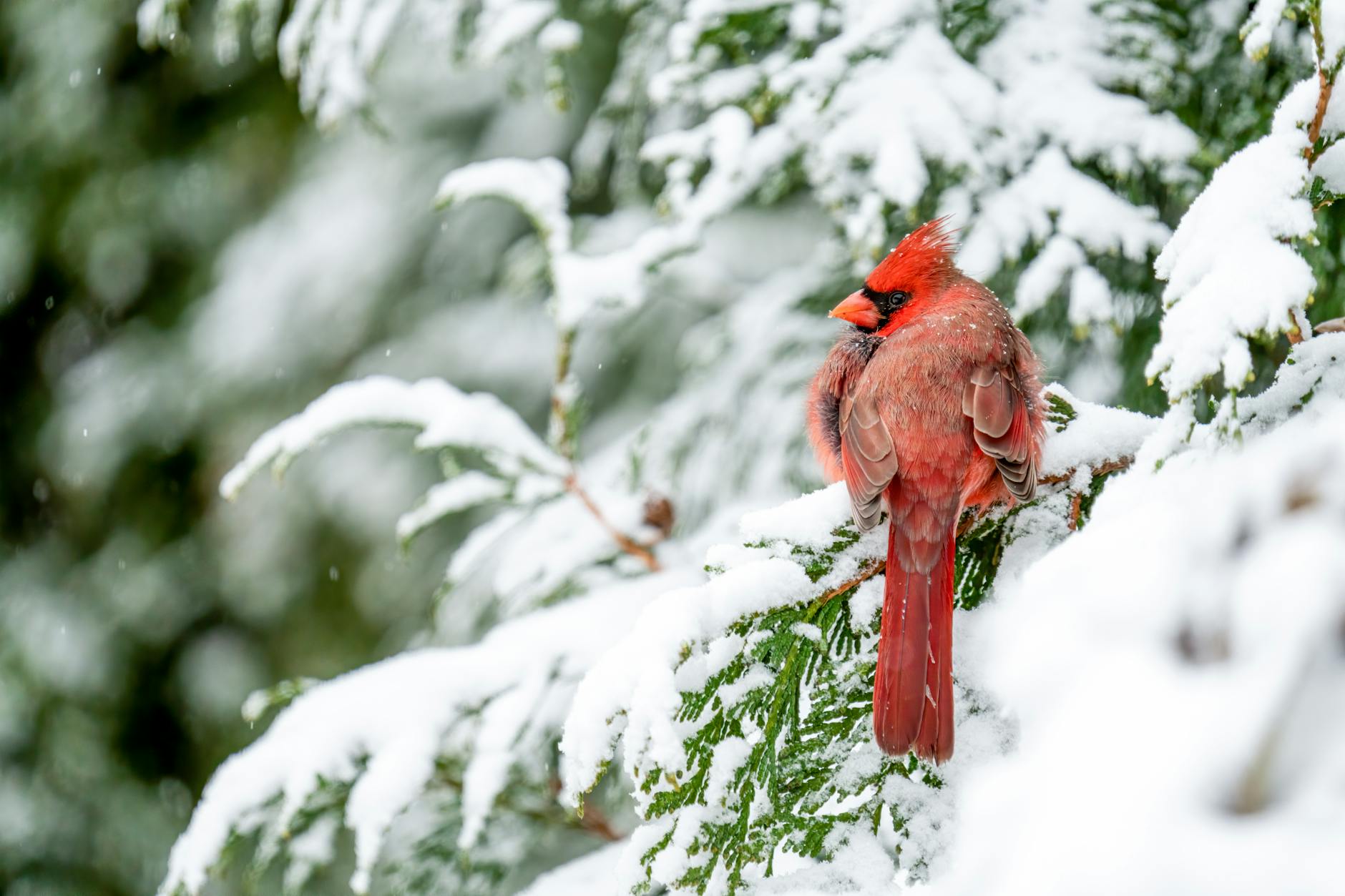
I began this post during a late March snow.  I looked out my window and saw cardinals frolicking in snow weighted branches. Cardinals are the ruby red messengers of optimism. I hadn’t been aware of my critical need for their beauty. I had been listening to Billy Joel’s “We Didn’t Start the Fire” over and over to calm the part of me that’s frightened by the news.


Photo by Skyler Ewing on Pexels.com

The birds came in groups of three or four and seemed to enjoy a game of hopping in and out of the snow. Watching them, I was reminded that beauty and play are essential for my survival as I struggle to experience the benevolent heart that exists within these United States.


That’s a strange phrase, isn’t it?  “These United States.” I remember my elders using that term as I grew up. When they referred to this country they would say “these United States.” My. So many seem to struggle with the middle word. United.

Things will right themselves. There is this thing called karma, you see. It’s a natural law. It’s how things work. Nothing remains dark forever. Hatred and malevolence have always been banished by Light. Fascists have always met with inauspicious ends. But in the meantime…

I need to bathe in the beauty of things.

One of Webster’s online definitions for beauty is:  the quality or group of qualities in a person or thing that gives pleasure to the senses or the mind…Perfect.

Across the street, the college green blossoms and withers through movements of the seasons and is visually poetic. Beautiful. Yet. I have yearned to nestle into the comfort and beauty of the body, something I have not really done since my Guillain Barre diagnosis (an auto immune disease affecting the muscles and nerves) and it’s severe complications in 2012. After being in a wheelchair for about two years, I wondered “what’s the use?” and gave away my expensive suits and dress clothes to a women’s organization.

I have never disengaged from old wisdom that emphasizes the importance of inner beauty — a kind spirit, a quiet heart, and gentleness. I quote words from Hindu and Christian saints about the importance of spiritual beauty. And still, I want more ruby red color, more hair color, and beautiful clothing. Shouldn’t my body reflect my inner joy?

I have two friends who are models, and through them, I am learning more about physical beauty. It’s not shallow. There is a powerful relationship between one’s appearance and the ability to love oneself and others. I’ve even started watching the haute couture runway shows on YouTube. I don’t need to wear Givenchy. I need to allow my own brilliance in the colors I use and the clothes I wear.

I bought a wig. I put on make-up. I got a couple of new pieces of clothing. Yes. I embraced my twenty-somethingness. In the middle of all the political and social drama, the fricking snow, and that poor man upstairs who died in apartment 309, four cardinals frolicking in the snow on the branches outside my window reminded me that beauty is one of nature’s most healing qualities. So, I donned the wig, painted my lips red, and darkened my eyebrows.  And had a friend take a picture. I preened in the mirror. 

The lipstick that has been in my purse for at least five years ─ pre Covid lockdown ─ is cardinal red. I’ve always loved cardinal red lipstick. From the time I found a tube in my mother’s purse, I knew it was for me.

However, rules around the use of make-up were complicated. My mother’s relationship to using face powder, lipstick, and rouge was a paradox. Churcfh ideology said girls wearing make-up were whores. I have listened to ideas like: Women who wear makeup are sinful or shallow ─ parents, church doctrine, activist and socially conscious friends. No more.

Sojourner Truth said: Life is a hard battle anyway. If we laugh and sing a little as we fight the good fight of freedom, it makes it all go easier. I will not allow my life’s light to be determined by the darkness around me. 

Amen.


Musings On Being An Empath

I wander as I wonder…

My morning coffee brightens the day.

The brew is flavorful, and the hint of chocolate on the back of my tongue is a calming sensory experience for the many thoughts and feelings I have in this stream of consciousness.

After months of procrastination, I’m gaining clarity about this post. I’m not writing about food this time, although I’m sure that a large bag of chips will make its way to me as I write about kindness and ─ oddly enough ─ empaths, people who have a high sensitivity to stimuli, including other people’s emotions. I’m writing about being empathic ─ not empathetic.

While researching, I came across a definition about the difference between empathic and empathetic. In an article published by Stylist, an online magazine based in the UK, Lucy Fry writes the following:

Being an empath is developmental, whereas empathy can be learned.

Fry continues: Empaths easily lose themselves in feelings. For most people expressing empathy means making a concerted effort to see the world through someone else’s lens in a kind way. For an empath, however, it can get confusing. These types of people absorb others’ emotions so quickly and easily they’re sometimes unsure which lens is whose. The boundaries between the self and others can be thin, which means they are super sensitive to other people’s needs but can also entirely lose track of their own.

This is why it’s so important for empaths to learn how to take care of themselves (and their gift), so they can find ways to protect themselves from drowning in feelings that don’t belong to them. https://www.stylist.co.uk/health/mental-health/empath-empathic-person/641521

You’re too sensitive, Sala. Sigh. I’ve been told this numerous times.

You want to hear the heart in the voice. Alexa’s words landed like sparks in a dry field.

Yes.

Not too long ago, I was irritated by a conversation I was having. I felt that the person wouldn’t shut up until she had me submerged in the cesspool of anger she swims in all the time. All. The. Time.

I’m a human sponge. I soak up other people’s emotions like others suck up soda through a straw.  When I’ve gone to the movies, I’ve found that I feel almost physically pulled into any violent action on the screen. I feel overwhelmed.  So, I don’t go to the movies. I don’t read violent novels. I have an enduring crush on Stephen King and have slept with his book On Writing next to my pillow. But I have never seen, nor will I, a movie adaptation of his books. I was traumatized as a child by Hitchcock’s Psycho. I’ve never seen a Tarantino film, and I did not watch Game of Thrones ─ my sister advised me against it. Give me the Hallmark Channel, Notting Hill and Madea

Don’t. Judge. Me.

According to Dr. Judith Orloff, a board certified psychiatrist and expert on the subject of Highly Sensitive Persons (HSPs):  Empaths absorb other people’s emotions.

There it was: absorb. While others define themselves as extrovert or introvert, I’m defining myself as an empath. The Cleveland Clinic notes that you may also identify with being a highly sensitive person (HSP), a personality trait that was first used by psychologists in the 1990s to describe someone with a deep sensitivity to the physical, emotional, or social situations and information around them. https://health.clevelandclinic.org/highly-sensitive-person/

My parents, Bill and Libby, joined millions of American Blacks who moved to northern and western states during the Great Migration from the South. I will never know the depth of their disenchantment on discovering the same racial discrimination and limited economic opportunities in Washington, D.C. that they had left behind in South Carolina.

Exposed to Mom’s anger and disappointment at having had to leave her beloved career ─ teaching ─ to raise five children in poverty and her mood swings from having to witness my father’s humiliation and rage when private builders told him ─ a master brick mason ─ that “coloreds” weren’t being hired, I absorbed their every emotion. I cried a lot. When teachers sent us home from school the day President Kennedy was assassinated, I threw myself on my bed and sobbed. And despite my empathy for my family and our world, I became unkind and angry.

Mine or Yours?

A White neighbor called to vent about another devastating U.S. Supreme Court decision on Affirmative Action and the efforts to obstruct racial diversity in higher education. They’ve been busy taking rights away these days. She ranted, not taking a breath and not allowing me to speak. I listened.  When she was done, she thanked me for allowing her to “get it off my chest.” I responded, “Good. You need to know that I did not take it onto mine.” Her silence was brief but obvious. She had been hoping I would join her anger.

“I lived through those days,” I said. “How can you possibly be angrier than someone who experienced those times?”

I felt the wind go out of her sails. I was honest. I was direct. I felt powerful. It’s not that I don’t get angry. It’s that I have experienced self-protection and learned ways to know if it’s my anger, not someone else’s.

Childhood Educators Are Saints

During my ─ if-only-they-could-be-forgotten ─ adolescent years, the vice principal of our junior high school took me under her wing. A tall woman with dark chocolate skin and closely clipped hair, she was a no-bullshit, take-no-prisoners administrator. She offered a wide, memorable smile that, behind her back, prompted cowardly kids to call her “King Kong.” Fiercely principled, Mrs. G. was a potent advocate for young people. If, however, one was foolish enough to challenge her authority, you did so at your peril. I didn’t know too many kids who were willing to face their parents for being suspended or, even worse, expelled.

My grades were poor. Incidents of colorism – discrimination based on color within the race ─ fed my anger, and I was filled with anxiety about American culture. Additionally, adolescents are markedly known for meanness, and one day I found myself in a fight with a light-skinned girl who looked Caucasian. She was not. A ring of girls surrounded us and chanted “Fight! Fight!” This, not surprisingly, led to a sit-down in the principal’s office. Mrs. G. put her arms around my shoulders. “Walk with me.” We walked the halls. She didn’t use the word “colorism” or demean other students for their behavior. She spoke kindly and told me I was smart, that I could do better. Something inside me softened, if only for a little while.

My Ways of Empathic Protection

Therapy and Psychotherapists

During my twenties, I was led to a compassionate therapist who taught me something: Anger and repressed fear were my defaults. If I couldn’t identify or own my feelings, I could not respond to life circumstances authentically.

Prayer

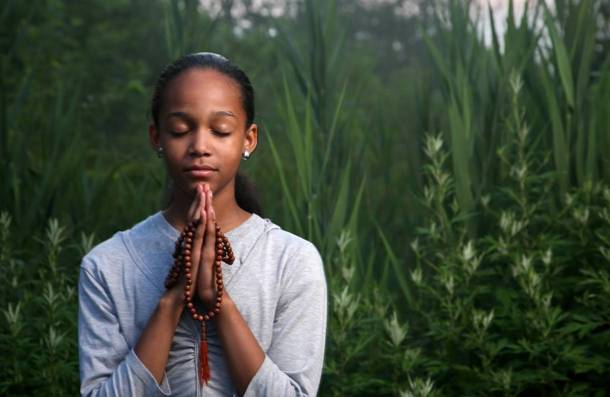
I found a spiritual path that focused on the love of God ─ not “fear” ─ as the unseen guidance. I could no longer sing “saved a wretch” in the hymn Amazing Grace. I sang “saved a soul.”  Chanting became a daily practice, and service ─ volunteering, a lifelong practice for me ─ took on a golden hue. I was becoming softer, more vulnerable. When, after 30 years, I left California for the east coast, a friend told me gently that he had watched me transform over the years. “You’ve lost that explosive anger.” I was moved ─ my own feeling. I remember saying to someone during those years, “I like a lot of soft around me.” In the company of softness, I felt ─ and feel ─ good.

Food

Ahh, yes. I knew I’d come back to the plate. Beginning with family meals for the seven of us in our two-bedroom apartment and extended family gatherings to visits with my grandparents in the south and church picnics, food preparation and pure laughter became a major empathic lifeline.  Hugs were plentiful. Empathy was strengthened. I learned that in cooking, sharing, and eating good food, life could be joyful. But it’s been a rocky ride here. Sometimes my empathic protection revealed itself in weight gain. The soft protection of bulge around the belly. Other times, my love of sharing food and company with people I love has been the empathic lifeline.

Nature

I call my apartment a tree house. Outside my windows, the leaves of the trees serve as curtains in the summer. The southwestern sun keeps my apartment warm in the winter. I am heralded with birdsong, and I hope the circling hawks don’t see the rabbits occasionally nibbling by the side of the building.

Okay.

Now that I’ve finished my coffee and reflections for the morning, I’m on my way to juice apples and pears in the safety and comfort of my kitchen, a comforting place where I always experience the “soft around me.”

Till next time.

Thanksgiving 2018


Three of us, our personalities as diverse as the meal we shared, sat around the table laughing and celebrating food, company and, each in her own way, a commitment to spiritual life.


“Will you give the blessing?”

Wait, what? 

The meal was at my home and, when I thought about it later, the host usually offers the blessing. In recent years, however, I’d fallen into a habit of silent blessings ─ or no blessing at all ─ over meals with friends.

We closed our eyes.  I opened one eye to peek at Sandra. She was the one, after all, who had asked for the blessing. She was — waiting.

I am not unfamiliar with saying grace. Praying before eating was a three-times-a-day practice in my childhood. Not a crumb would pass our lips before prayer. To attempt to sneak a bite was, at the very least, foolhardy. A spoon or fork could be sent flying if a child did not wait for the Lord’s blessing.

I remember my grandfather saying grace. He was a deacon and a very devout man who would repeat a prayer before every meal. The morning grace was the hardest. We’d listen patiently as he spoke the familiar lines before beginning his improvisation. His improvising, it should be known, was the place where hot food went to die — to become cold. But here’s the thing: his purity of heart and love for God was on that table. We could feel protection covering the food. His power was that palpable. Even as, in our minds eye, we could see the melted butter hardening again, we also knew that no malevolent force would dare approach our food. Granddaddy had a spiritual power that drew God’s protection for his family.

Saying grace is not a mystery. The willingness to be present and grateful for the present moment draws the power.

With Sandra’s request, I tried to remember the grace my parents used to say.

“Heavenly Father, we thank thee for this food to nourish the body though not the soul…” And that was all I could remember. It felt too far in the past.

When I was diagnosed with Guillain Barré syndrome (GBS) in 2012, the disease took away my ability to use my hands. I love cooking and sharing my meals with others. It’s a joyful task. But with GBS, I could not comb my hair, let alone knead dough, chop vegetables, or make a soup.

That too is now in the past. Today, I can make biscuits, roast a turkey, and or juice apples. And I can look back on 2018 and see blessings in everything, large and small: my physical healing; my mothers’ death and reconnecting with estranged family; new friends and neighbors; the ever expanding awareness of love in the world even as citizens panic in and recoil from the vortex of Trumpism; and still, the wonder of being grateful.

The instant I connected with gratitude, self-consciousness dropped away.

“Thank you, father/mother God, for this meal to which we have all contributed. Thank you for this glorious abundance of friendship that we are about to share. And thank you, most of all, for that which has brought us together in gratitude on this day. Amen.”

Sandra was pleased.

“Let’s eat.”

Friends


While dining with a friend, I reflected out loud, “I want a lot of softness around me.” It was a prayer released into the air. I was so tired of the drama with folks who felt that aggression was the way to success. In that moment, a few seconds felt like I was frozen in time.

When I became aware of the movement around me again—people bussing trays and the café filled with noisy chatter—I knew I had hit on a significant truth about myself. Apparently, my friend understood completely because she nodded her head and said “yes!”. It was a desire for fewer disagreements, more kindness, honest listening, and deeper sharing with friends and family. With her recognition of this desire, I didn’t feel alone anymore.

 January 2018 had started with a bundle of newness: new writing, new personal insights, and a new food management plan. Then Mom died.

It was not unexpected. She’d had Alzheimer’s for several years and was a month short of 96. Attending her funeral would be my first travel experience since I had been diagnosed with Chronic Inflammatory Demyelinating Polyneuropathy (CIDP) in 2013, a condition that had, at that time, left me paralyzed and weak in the legs for many months. I was nervous about the journey, but after all my years of progressive recovery, I felt strong and ready.

In going to Washington, D.C. for nine days, I would be surrounded by relatives I hadn’t seen in decades. There would be dinners with siblings and other family and a funeral repast with old family acquaintances and neighbors. I’d be stretching myself to the limit with travel by train, social interactions, and using Uber to go between the hotel and my brother’s home where there were too many steps for me to stay there. The physical effort meant being outside in sub-freezing weather, pulling luggage, and staying up until 11 every night as my siblings and I worked on funeral details.

The likelihood of staying on my new meal plan was doomed. Pizzas, fried chicken, and breakfast pastries became the daily cuisine—fast, filling, and cooked by someone else. I wanted—and needed—someone to walk with me; someone who could hold me up and carry my heart gently in his or her hands. Someone, perhaps, who really knew me.

My family is stoical. We do not “do” feelings. This is something that’s bothered me for as far back as I can remember. I’ve always been envious of families that can mourn together, folks who can physically embrace each other while shedding tears. In our family, my tendency to express feelings has earned me the label of “emotional.”

Overnight, the five of us had become orphans, and yet we did not share that familial intimacy. Perhaps this was why I felt desperate for a friend with whom I could share the thoughts close to my heart. But is there a friendship that can meet such a need? Every person has a boundary when it comes to openness and vulnerability. In choosing friends, I have made some mistakes.

I was thinking about the concept of “softness around me” on the day I returned from my mother’s funeral. Feeling sad, I called a woman that I considered a new friend since moving to Pennsylvania. In the past, we had talked about politics, philosophy, and where to find good men. We had cooked together and shared family pictures during holiday meals. So…when I got back to town, I rang her up. Phone calls were not returned. Neither were text messages or emails. Weeks later when I heard from her, I was stunned to learn that she thought our “expectations for friendship are different.” I did not know what she meant.

I was hurt, but also angry. Faced with the realization that I had somehow unwittingly made someone uncomfortable, I had to look at how I choose friends and what my expectations are. Clearly, my inner “friend-picker” needed repair.  I was now faced with another new task for the New Year: Approaching my seventies, I would have to learn how to choose new friends.

When I graduated from high school, my classmates and I used to write a common verse in each other’s yearbooks. Love many, trust few; learn to paddle your own canoe.

My need for deep friendship on any given day can remain securely hidden behind the pots and spices in my kitchen. But need has a way of breaking out of hiding places. When it does, judgment dissolves.

A good friend, like good food, is a reliable source of comfort. I use great care when selecting ingredients for cooking. Will I be able to, going forward, choose friends in the same way? Some friendships I thought would last for years, end or fade. And, of course, I change. Understanding this, the future stands before me with thoughtful  friendship  experiences and more  “softness around me.”

Gardens and Empathy

I was in physical therapy when a patient opened her mouth and said: “Today’s world? It’s the Apocalypse. It’s Armageddon. These are our last days.”


The room became quite still as folks who had been talking about another mass shooting ended the conversation. I kept my mouth shut, zipped it because as annoying as her words were, the words on my tongue were worse. My words would have been vicious, cruel, and demeaning. Mean. Yes.

As far back as I can remember (which is pretty far), people have been saying that it’s the End of Times. Sigh. In my view, apocalyptic pronouncements are anchored in fear and resignation, a resignation that there is nothing left to do but wait for death and dissolution. God, save me from fear and resignation.

Here’s what I believe. Floods, fires, diseases, earthquakes, and political lunacy provide me a chance to reconnect with the quality that makes us human: empathy.

However, in that moment, knowing that I believed she lived in fear, I did not feel an ounce of compassion and certainly not empathy. I felt lodged between a rock and a hard place, between a desire towards empathy and compassion and the fire of anger.

In 2003 I moved to Philadelphia. It seemed like a good choice. Being in Philly was close to the Washington, D.C. area where most of my (oh, so dysfunctional) family resides, and the location was almost equidistant between D.C. and New York City. It seemed perfect. I sublet an apartment in a pleasant part of the city—lots of trees and single family homes with gardens. I’d found the listing on the board of a food co-op, a place where I loved to hang out. For some reason (which had no basis in reality) I thought a listing in the co-op ensured a safe and stable place. Once in the apartment, I understood why the previous tenant, a young woman, had moved.

The building held, maybe, 200 tenants and was one of several brick buildings on a block in the neighborhood. The metal fire escape outside my bathroom window, which was covered with a heavy screen, faced the fire escape of a brick building across the way. My bedroom window, in the back of the building, looked out across the alley on—yes, another brick building. I was not a happy camper. Now, you might ask if I had looked at the apartment before renting. The honest-to-God truth is that I don’t remember doing so. In my anxiety about being back on the East Coast, I must have visited the place. But like I said…

My immediate neighbor turned out to be a 17-year-old boy, a hopeful rap musician who played his music so loud it shook the floors and walls of my apartment. The woman-hating lyrics and aggressive drum and bass rhythms spilled out of his windows into the summer air and saturated the hallways and our wing of the building. There was not a single day when, due to the stress of it, I did not ask myself, What the fuck?!

My stomach vibrated inside like one of those salon massage chairs. I developed a stiff walk and a defensive stance with my shoulders hunched up all the time. I could not sleep and stuffed bits of cotton balls in my ears to stop the sound, but the floor vibrations went through my feet, up my body, through my arms, and into my head. I was angry and scared. I cried a lot and felt reduced to the role of victim. I hated that kid.

Finally, I got the nerve to knock on his door. He stared at me as if I were offering him a plate of dog poop and agreed to lower the volume. As soon as the door closed, he increased the volume. I called the management company.

“What am I supposed to do about it? You’re not getting out of that lease because of noise!”

Caught off guard, I said something like “I just moved here to the city. I don’t think your behavior is very welcoming.”

Her response was a fast and furious cynicism intended to humiliate.

“Ooohhh.  So now I’m supposed to be the welcome wagon!” Then she laughed and hung up.

I cried some more and talked to a minister. I was certain that God had banished me to Hell and that Hell was Philadelphia. There was no garden in the complex, no place to dig in the soil and save tender vegetables from weeds. I always identified with and felt empathy for the young plants. I wanted to see them grow to fullness without harm. Sometimes in dreams, I would see myself being stripped of weeds, weeds that I identified on waking as fears and resignations. To this day, I connect gardening with empathy.

There was some respite from the noisy teen. During the day, I took long walks around the neighborhood. About two blocks beyond the brick complexes, I passed by beautiful gardens, well-tended by people who were clearly proud of their homes. I felt a little sorry for myself because I couldn’t see any possibility, at my age, of ever owning a home with gardens like those I saw.


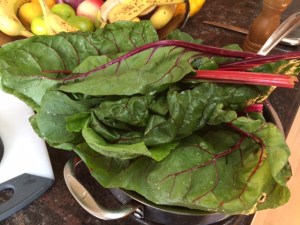
Sherri’s swiss chard

My friends, Sherri and Tim, have a rich, organic garden in Oakland, California. They’ve spent decades cultivating space and soil in their yard for a bountiful harvest of potatoes, onions, a variety of greens, peppers, tomatoes, squash, Japanese eggplant, asparagus, blackberries, and apples. Over the years I’ve enjoyed days of weeding, harvesting, and cooking with Sherri or alone. Being in their garden is being in Heaven.

As I walked, I thought a lot about Sherri’s and Tim’s garden and my experiences there. I remembered a garden of my own in a small house in Eugene, Oregon. I also remembered the summers my family spent on the farms in South Carolina, immersing ourselves in harvesting food for the day’s meals and canning vegetables and fruit for winter. I’ve learned a lot about empathy through planting, harvesting, preparing, and sharing food. Sharing food is the practice of empathy. If I could have offered that kid a meal, would it have made a difference? Perhaps. But my empathy was gone.

“If you really want to make a friend, go to someone’s house and eat with him… the people who give you their food give you their heart.” Cesar Chavez

When I was in college, I paid room and board to a bitter, stingy so-called Christian woman who didn’t want to share the contents of her overloaded pantry and packed refrigerator with people she deemed unworthy. I happened to be one of those people, a student activist with ideas she deemed too radical for the minds of her children.  Her lips were tight, her face frowny, and her eyes hard.  She did not garden and seemed to have no empathy.

I remembered all of these things as I walked. I listened to mid-day buzz—cars, bees, dogs barking, and the voices coming from homes and parks. I dropped back in memory to the buzz of insects and the rustling of leaves in the wind. Listening is such a major part of empathy. I listened closely to nature when I gardened. In the silence of my walk, I could almost hear the chunk, chunk, chunk of a spade against the soil. The memory of the wind against my cheeks as I squatted and the rhythm of my breathing and weeding, weeding and breathing helped stop the shivering in my stomach.

When I returned home, as I exited the elevator to my floor, I saw a woman entering the apartment next to mine. As is my habit, I wished her a good morning and introduced myself. She was—the mother.

We talked for a few moments. I learned that she was a nurse and single parent whose varied hours kept her away from home days and, too often for her, nights. That morning she was returning from a night shift. She looked tired. I knew that look. My mother? My grandmother? An aunt? A neighborhood woman? She’d heard the complaints about her son all too often, but her soft face seemed open to hearing more. Empathy kicked in.

“Is your son in school?”

“He’s supposed to be. Why? Do you see him during the day?”

I told her about the music. She sighed long and loudly. Her frustration was substantial. She did not invite me inside but asked some questions. She talked freely about her exhaustion and the missing father. I listened; I was glad I’d spent the day listening. She felt her world was spinning out of control. God knows, I knew what that felt like when weeds strangled the very life out of tenderly planted spinach. Then, she surprised me.

“Here are my phone numbers. Home and work. Call me anytime.”

I thanked her. After two days I made the first call. The music stopped. A door slammed. I waited for a knock at my door by an irritated teenager. None. Still, whenever the young man passed me in the hall, he stared as if I held a plate of dog poop. For my part, I made sure my door was always deadbolted. But I was happy. I had reconnected with elements of myself that I recognized. Feeling empathetic and offering service. Lowering the volume of the music served the building, the community, his mother, and me. And I didn’t hate him anymore. In three months, my lease would be up and I’d be moving.

In the meantime, I hung out and volunteered at the co-op, cooked meals, shared food with new people I met and, once again, thrived.

We are being called to thrive through empathy and service. Armageddon and the weeping and gnashing of teeth will be a reality for those who believe in that sort of thing. Yet, I suggest that if people truly believe the world is ending, they use their time engaging in empathy and compassionate service. They will thrive.

Change. Again.

I’ve been filled with yearning.

I’ve been needing change. I’ve been wanting to see new people, and experience new life, open hearts, new songs, out-of-the-box thinking, and new courage. Yes, courage. So, God bless me, I went to the organic market and bought…

a basil plant.

Er?

Well, for one thing, with a plant I knew I would see change in the form of vibrant growth and an abundance of leaves. With a plant, I’d see time in motion. Visiting the local organic market reminded me of something very important. Change is good.

It’s time to change my blog, again, and renew my commitment to stay current. I began this blog with weekly posts. What an exciting time that was! Then, when I was admitted to the hospital, I posted once a month (or was it every six weeks?). I took that as a challenge from God, the universe, or whatever folks call their higher power these days. Do I really want to write? How transparent do I want to be? Do I want to be confined to stories about family and friends? It became more challenging, and the frequency shifted to every two months, then three—until today.

There are so many reasons for the delay. Well, at least I like to think there are. It’s not because my family has become less interesting, although there are times when I wish they were less interesting. It’s certainly not because there’s less to say about food and my peculiar food interests. And it’s not because of the weather, as much as I would like to blame my lethargy on the almost 40-degree drop in weather (from 90 and humid to 50-something and raining. What can I say? It’s Philadelphia after all). No, the delay is not due to any of those things.

Here’s the thing. I’m working on a novel. You heard it first here. And here’s another secret. I turned 69 this year, and I kept hearing the tiniest whisper in the trees—okay, maybe it was that precious basil plant—”if not now, when?” I’ve also signed up for an online writing course and, although I’m not a matriculated student, the amount of coursework would break a horse at the Kentucky Derby.

The intensity of keeping up with it all is what sent me to the organic market. There, I filled my culinary yearning by fondling those little plastic containers of pesto, hummus, and dips. I sighed softly as I held blocks of cheeses from all over the world, cupping them in my hands as if they were rocks of gold—or maybe a lover’s face. (I won’t purchase the cheese, mind you, I’m off dairy—doctors orders.) Then, there were those whole organic, free-range chickens—at half the price of other markets in the area. I guess food will always be a part of my story.

And so, I bought the very fragrant basil plant. It filled my apartment with the smell of newness, of spring, of purpose. After all, if I’m going to change, begin a new cycle, I want nature to support me.

Over the winter, I’ve been stuffing my intellectual belly with books by and about women who grow, harvest, and love food and the graceful generosity that cooking and sharing meals creates. I’ve been (probably) growing my newly diagnosed cataracts by constantly reading about writing, spirituality, and race relations. I’ve been sticking my foot in the waters of book reviews and learning that even if I don’t like a book, there is always something positive to highlight. I’ve been busy.

Perhaps it’s because, in my gardening experience, I’ve learned to respect the time it takes to nurture the seeds of new growth. Respecting that time makes me feel less anxious about my yearning, and it makes me want to be more disciplined about my writing. I’m writing a novel. But I told you that already.

So here I am, tending my basil plant, thinking about the prospects of an apartment vegetable garden, and focusing on a story worth two to three hundred pages. While it takes away from my blog time, the promise of new growth is exciting.

Change is good.

No Weeping

I do not weep at the world. I am too busy sharpening my oyster knife.  Zora Neale Hurston

We sharpened our knives. Not for oysters, but fish.

“Improvise!”

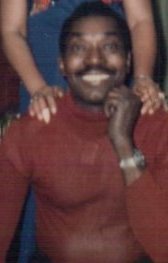
Ms. Hurston’s words seemed to be my father’s modus operandi. At 6’3’’, 200-plus pounds and muscular, Daddy commanded the attention of everyone around him. The world busied itself with issues of poverty, race, war, and class, things that affected our segregated lives directly. Eating together as family offered respite.

In creating a meal, Daddy made it up as he went along, singing or whistling most of the time. His resonant bass seemed almost too big for our tiny apartment; it saturated the walls of the small kitchen along with the smell of hot sauce and onions.

We are from a Gullah tradition, descendants of West African slaves who settled along the South Carolina coast building a proud and distinct culture. They called us geechee, a once pejorative term. For us, everything began with rice. One of us would put the pot of rice on, and Daddy would decide what vegetables and spices would be going into the fish or meat dish. We were curious, and each of us showed our curiosity in different ways.

As the eldest daughter, I offered a frowning face. I  knew my sister and I would be assigned the job of gutting, scaling, and taking the heads off the trout, perch, croaker, or whatever he and his friends brought back from their day of tossing lines and hooks. If we happened to find a fish belly full of roe (which I would not eat, thank you very much), Daddy was very, very happy.

While I frowned, my mother, an exemplary cook accustomed to Daddy’s larger-than-life show of enthusiasm, rolled her eyes.  My sister, an adventurous eater, could not wait. Hungry with curiosity, she could not hide her excitement about culinary exploration (that hasn’t changed. Alligator meat?! Sigh…) I vaguely remember my brothers in the background, watching and learning what it took to be a man adept in the kitchen. My father’s example was a strong one; every one of my brothers became an excellent cook.

“Does any meal stand out as a favorite for you?”

I waited in silence as my sister, 3000 miles away, surfed her memory.  Fish was usually fried or grilled, and often accompanied by savory brown gravy.

“Yes. It was like a stew.  Not the ordinary fish and gravy.  It was a rich broth, thick with lots of flavor.”

I could almost taste her fondness for the meal in my mouth.  Fish stew. Of course. That’s what happened with all of those fish heads.

Somehow, the things that were the least irritating and the most comforting have masked or chased away experiences that were the most frightening and least understood. The shadow in our lives was alcohol. Daddy drank.

A survivor of World War II and the Pacific Theater, he suffered nightmares for years, I am told. Alcohol dammed his weeping on those days when he would drive 30 or more miles into Maryland for a brick masonry job only to be told that they weren’t hiring “coloreds” that day. I only remember seeing him weep once, when a dear, dear friend of his died.

But this morning, my mental snapshot is of Daddy standing over the stove, his arms in the air, and a world-engulfing, rapturous delight on his face.

He was fatherly in the best of ways: pretending to be a horse so the children, cousins and all, could get rides on his back; taking us to the carnivals that his volunteer fire department put on every summer—rides and cotton candy included.

Going to the circus, I wanted to grow up and become a part of the magic. Baseball games, finally integrated, inspired my interest in the athletic, even though I felt closer to dance. But I still have my father’s baseball. And, while it is almost a cliché, I stood on his feet as he taught me the cha-cha and whirled me around the room. White hatred could not reach us in these places. He was never MIA (missing in action) like too many fathers. They don’t know what they are giving up.

“Improvise!”

Some salt, hot pepper, greens and onions. The meals, seafood or meat, weren’t complicated. His eighth-grade education and life experience made him an excellent philosopher and improviser. Daddy was bold in his flavors and his life. He faced things as they came along, following an internal compass about people, life, and food. No one in the family, immediate or extended, would ever lack food. I can’t and won’t speak for anyone else, but I intuited that he wanted me to live by the heart.

“Improvise!”

A few days after his funeral, I had a dream. He was in formation with other soldiers, and as I walked up to him, he stepped out of formation, turned to me, and saluted.

daddy-1-wordpress-copy-_0049


Bring Me a Cup

““Let us be grateful to the people who make us happy; they are the charming gardeners who make our souls blossom.”  Marcel Proust, 1871 – 1922

On the Web and in social media, you can’t throw a tomato in any direction without hitting a food writer. There are gazillions. A zillion more of us are wannabes. I’ve spent years trying to figure out how to be a good food writer. What does a great food writer have that makes me want to live the culinary good life? I once thought it was about the food. Now, I know better. It’s about relationships.

************************************************************

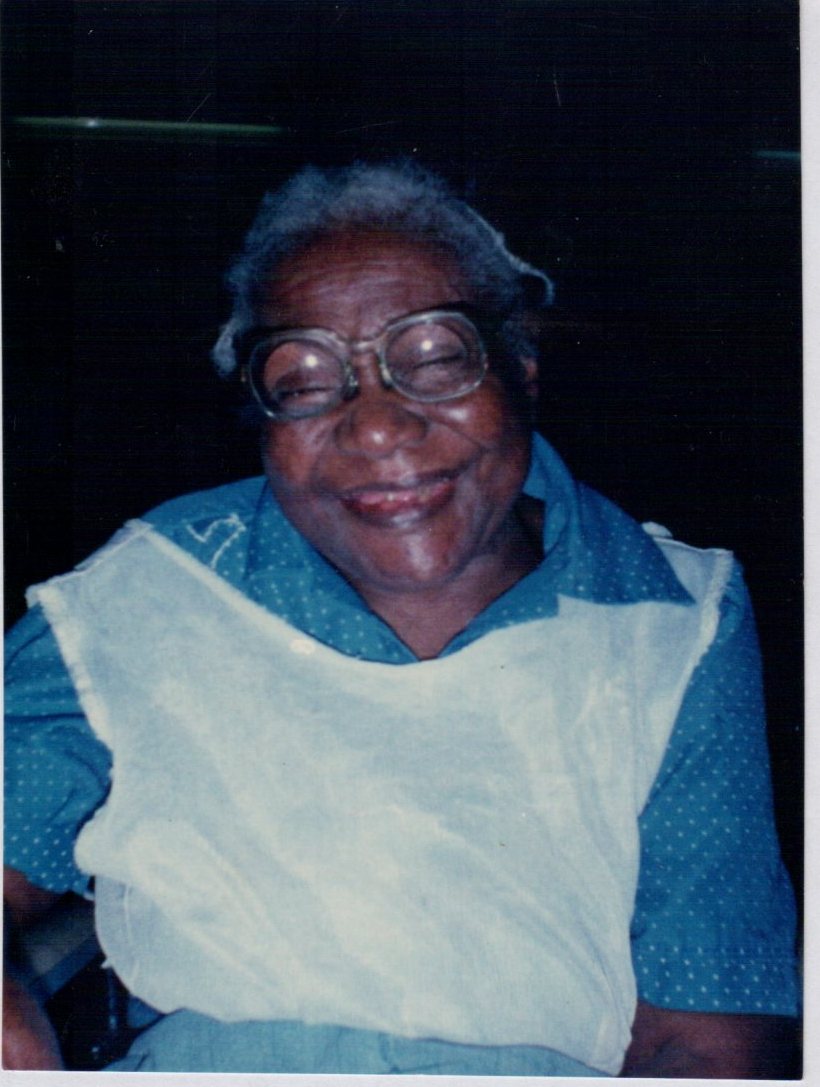
                      Grandmother Mahoney WordPress_0018


“Bring me a cup of water.”

It was both a request and a command. At 11, I understood that “please” was not a  part of my grandmother’s vocabulary. But I did not need a “please.” I adored her.

I studied her steady movements in the kitchen. She moved with intention. Every muscle and tendon had a purpose; there was no wasted energy.  She’d place a hook into the rim of the metal plate on the stove, lift the plate, shove a log in, start the fire, and replace the plate. When the fire was at its peak, she’d place a coffee pot on the stove. The heat from the fire was fierce, and the small kitchen became too hot in too short of a time. It was summer. Rivulets of perspiration bathed Grandmother’s ebony face. A cool drink of water was the remedy.

“Bring me a cup of water.” That’s all she needed to say as she wiped the sweat away with the tip of her apron. Outside, the sounds of squealing pigs, mooing cows, clucking chickens, and crowing roosters blended with the sound of crackling firewood. One of those animals could be on the table by dinnertime if Granddaddy had his way. A rank scent of manure and dew-soaked fields made my heart beat fast. And there was a slab of bacon on the table, testimony to the alchemy about to take place.

Dipping the long-handled aluminum cup into a bucket of well water–I’d proudly pumped that water myself–I asked a question.

“Can I have a glass of water, Grandmother?”

She nodded and I grabbed one of the jelly glasses we often used for drinking. I still remember the taste of that water. I watched her in silence, sipping my water as she sipped hers. I wondered what she was thinking as she prepared to make breakfast. Standing away from the stove and staring at the kitchen table, she may have been creating the breakfast menu and counting the slices of bacon she would need for the 11 mouths that would soon be around the table.

Breakfast would be simple: homemade biscuits slathered with butter and homemade jam, eggs we had gathered together, creamy grits, and, of course, bacon.

As people began to move around, chamber pots were taken out and emptied, faces and hands washed in basins, and teeth brushed outside. Around the table, we were a Rockwell painting in black: Grandmother, Granddaddy, my parents, my brothers and sister, cousins, aunt and uncle. As we basked in the warmth and fragrance of the meal, Granddaddy offered a prayer of thanks to the God that kept us together.

Over the years, as I traveled around the country trying to “find myself,” I missed my grandmother’s funeral. Decades later, I’ve found that elusive “self.” But it’s  not as I imagined. It’s in memory and lessons learned from being around a wood-burning stove and a woman with pure intention.

I’m back to the beginning. It’s not about the food itself. It’s about relationships.